
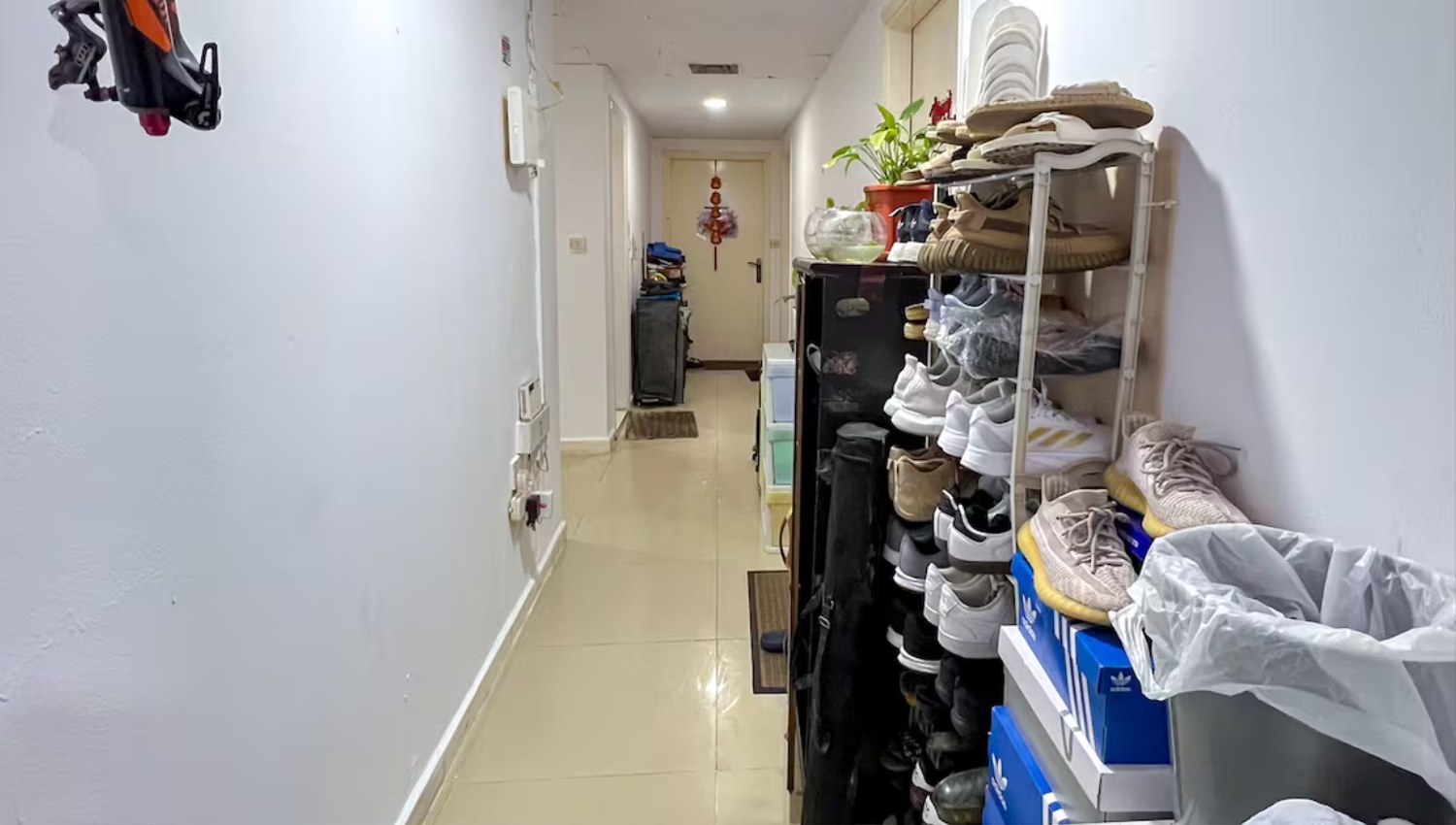

A new law regulating shared accommodation in Dubai came into effect on Wednesday, introducing permits and occupancy controls as authorities move to tackle overcrowding and informal housing. Law No 4 of 2026 covers properties where individuals or families rent their own space while sharing facilities such as kitchens, bathrooms and dining areas.
Under the rules, Dubai Municipality will set the maximum number of people allowed to live in each property, the amount of space required for each resident and the communal facilities that must be provided. Existing regulations already require at least five square metres of living space per resident in shared accommodation. Issued by Sheikh Mohammed bin Rashid, Vice President and Ruler of Dubai, in March, the law took effect 180 days after publication in the Official Gazette, and landlords and businesses already operating shared housing have one year to bring their properties into compliance.
The legislation is intended to curb overcrowding and unregulated housing while improving health and safety standards and protecting the rights of both landlords and residents. It follows a period of heightened concern about unsafe accommodation. In July last year, a fire in a Dubai Marina residential block home to more than 3,800 people exposed hazards in illegally partitioned homes, and authorities clamped down on illegal sublets and makeshift room divisions across the city in 2025, warning they were fire risks.
Under the law, it remains illegal to divide a bedroom, living area or balcony with wooden or non-fire-rated gypsum boards without a permit from Dubai Municipality. Such barriers are often used to squeeze in more tenants or to create extra office space. Only property owners and licensed operators will be allowed to let shared accommodation, and residents may not sublet their rooms, though tenants gain more flexibility to leave, able to end an agreement after giving notice and to recover prepaid rent minus the equivalent of one month.
Permits will be valid for a year and can be renewed, with a two-year option available at the owner’s request, and inspectors will have the power to check compliance. Violations can attract fines from 500 to 500,000 dirhams, doubling for repeat offences within a year up to a maximum of one million dirhams. Authorities can also suspend operators for up to six months, cancel permits or licences, disconnect utilities and ultimately seek eviction.