
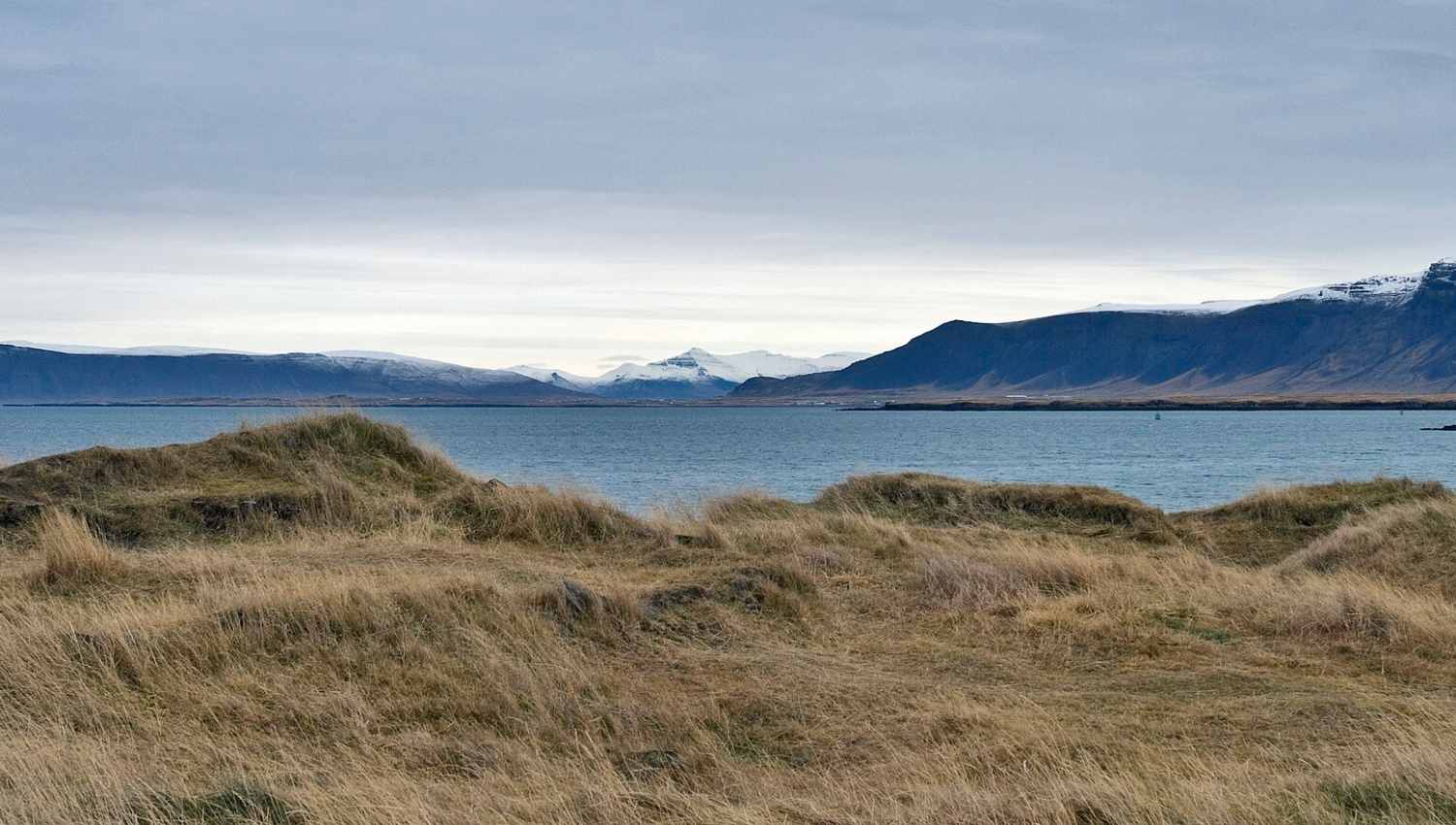

Iceland has voted to keep its distance from the European Union, with a narrow majority rejecting a proposal to reopen membership negotiations. In a weekend referendum, 52.5 percent said no to restarting accession talks and 47.5 percent said yes, a result that reflects a country split down the middle on its place in Europe.
Crucially, the vote did not ask Icelanders whether to join the bloc, only whether to resume the talks first opened in 2009 and frozen in 2015. Any eventual agreement would have needed a second referendum, so the outcome halts the debate before it could properly begin.
Prime Minister Kristrun Frostadottir had campaigned to restart the process, presenting it as a chance to secure greater economic stability. Opponents argued Iceland could manage on its own. “These are not problems that Brussels will solve for us,” said opposition leader Gudrun Hafsteinsdottir.
Fishing rights and national sovereignty dominated the No campaign, with many voters unwilling to cede control of the country’s waters. Those in favour pointed to interest rates near 8 percent against 2.25 percent in the eurozone as evidence that closer ties could help.
Little changes in practice. Iceland remains inside the European Economic Area and the Schengen zone, keeping single-market access and open travel while staying outside the EU’s political structures, an arrangement voters have now chosen to preserve for the foreseeable future.