
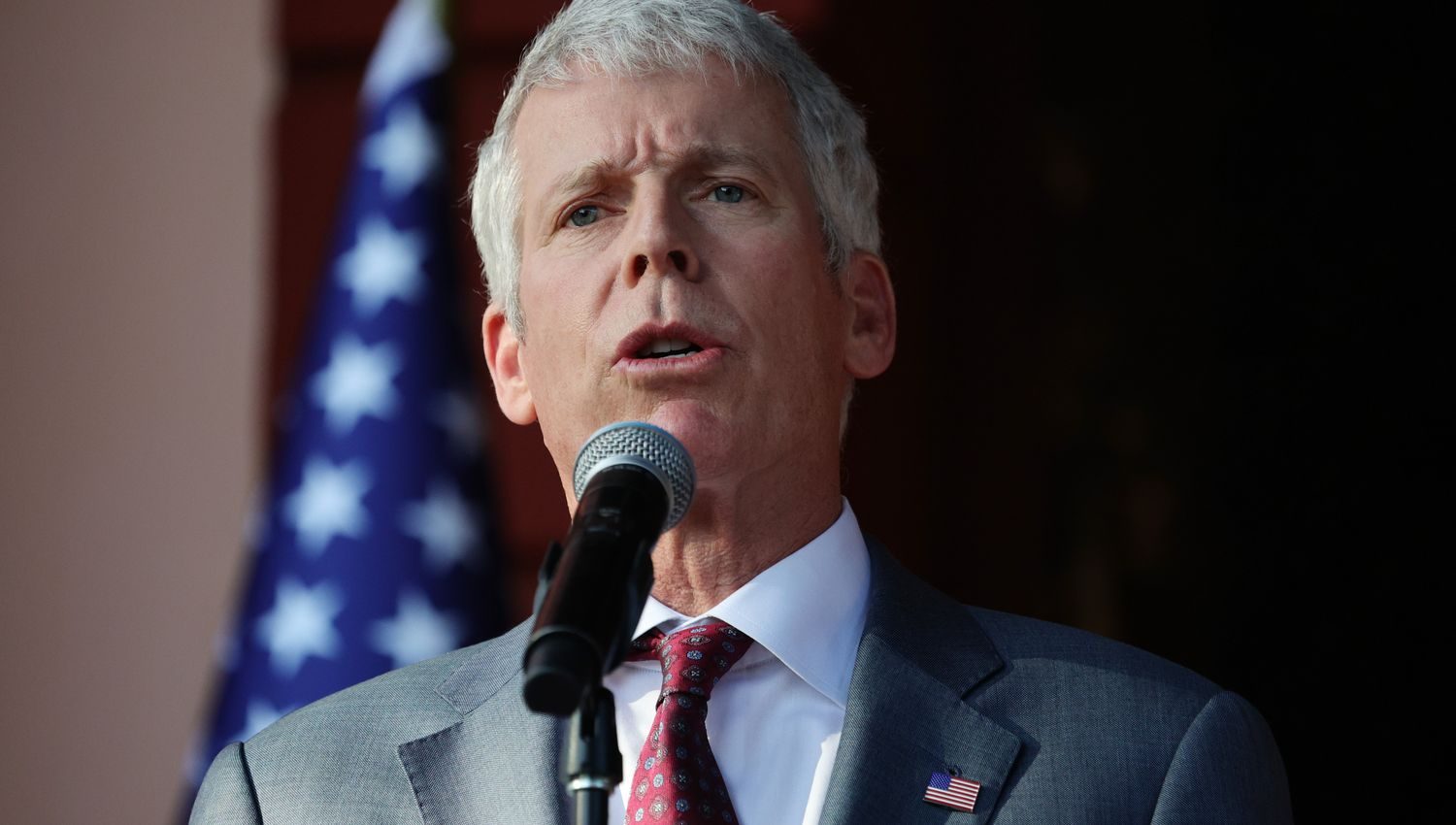

The US energy secretary is set to travel to Venezuela to unveil an oil arrangement, a step that would mark a notable shift in relations between Washington and Caracas after years of sanctions and estrangement. The visit signals a pragmatic turn driven partly by energy needs.
Venezuela holds some of the world’s largest proven oil reserves, but its output has fallen sharply over years of underinvestment, mismanagement and sanctions. A deal that eases restrictions could gradually bring more of that supply back to global markets.
The move is likely to draw scrutiny from critics who argue that engagement rewards a government they accuse of authoritarian practices. Supporters counter that stable energy flows and a measure of dialogue serve broader interests.
For oil markets, any prospect of additional Venezuelan barrels matters at a time of geopolitical uncertainty elsewhere. The details of the arrangement, and how quickly production can recover, will determine whether the announcement has a real effect on supply.