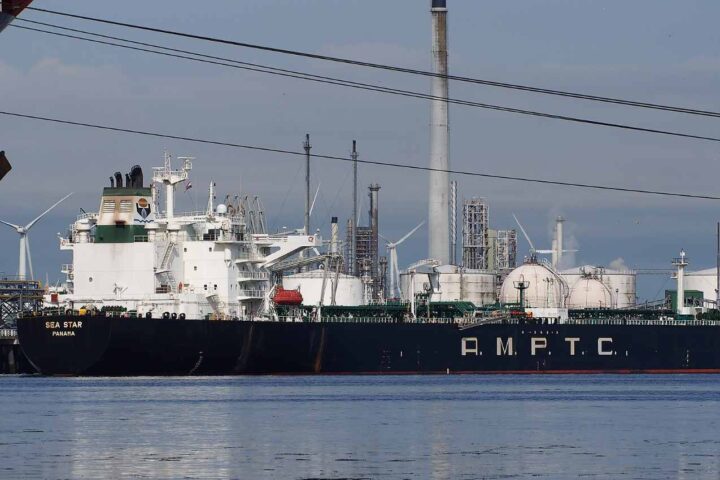



Six months into the US and Israeli war on Iran, the conflict has produced clear economic winners and losers across global markets. Energy firms have posted record profits as supply disruptions pushed oil prices higher, with ExxonMobil, Shell and BP among those reporting sharply stronger earnings.
Defence contractors have also prospered, securing tens of billions of dollars in new weapons contracts, including major missile and air-defence production deals. Banks, meanwhile, booked double-digit profit gains from the surge in market volatility and trading activity.
The losers have been just as pronounced. Airlines face billions in projected losses across the Middle East from cancelled flights and elevated fuel costs, while automakers have struggled with disrupted supply chains and rising material prices.
Food-importing nations have been squeezed by higher fuel and fertiliser costs, hitting vulnerable populations across Africa and Asia, while US taxpayers face a war bill that analysts warn could eventually approach $1 trillion.
For the Gulf, positioned at the epicentre of the disruption, the war has been a double-edged sword: soaring energy revenues for producers set against the mounting cost of regional instability and stalled trade through the Strait of Hormuz.