
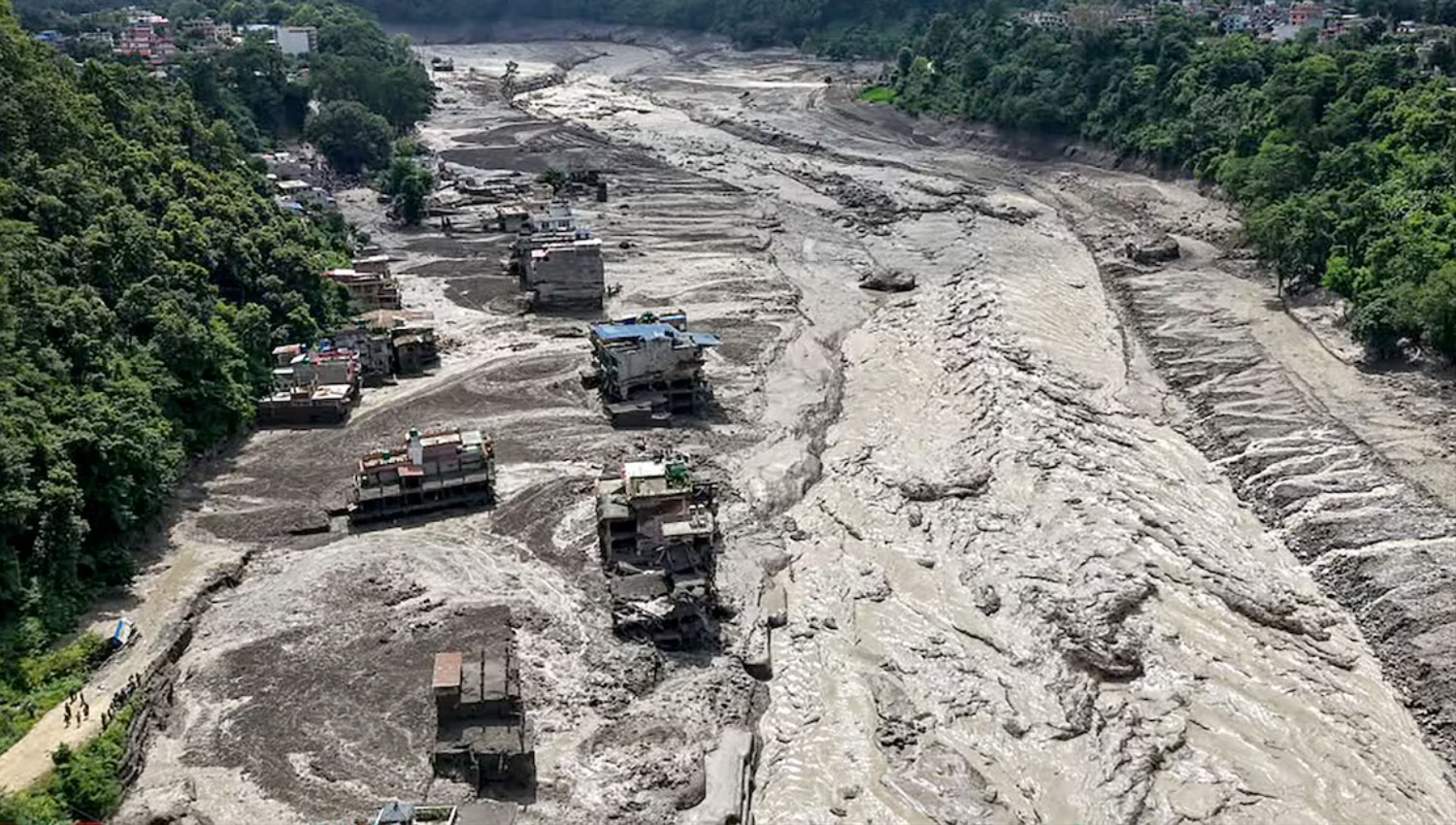

More than 150 people were dead and hundreds missing after torrential floods struck the Himalayan border areas of Nepal and Tibet on Wednesday, destroying roads, bridges and power projects. Police said hundreds of tourists, including 341 foreign nationals, were unaccounted for, with the death toll standing at 157 by Wednesday evening as authorities braced for more casualties.
Initial reports suggested an earthquake in the area may have triggered an avalanche that caused the flooding, Nepal’s foreign minister, Shisir Khanal, told parliament. Houses and roads were swept away on the Nepali side, while officials in China’s Tibet warned of “major casualties” after a mudslide hit a land crossing between the two neighbours. River levels were too high for rescue helicopters to land in the affected areas of Syapru Besi and Timure, in the mountainous district of Rasuwa, home to about 50,000 people.
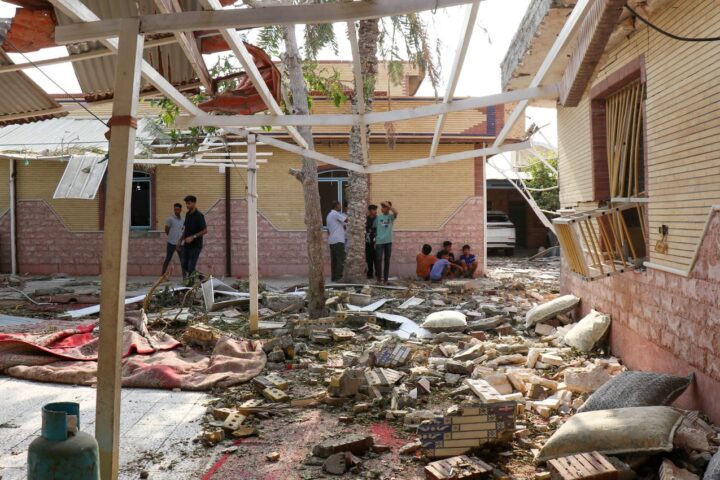
Security footage on the Chinese side of the border showed people fleeing before a torrent of rock, mud and water destroyed buildings and vehicles. Television images showed crumbled homes in floodwaters, floating cars and a metal bridge being washed away, and witnesses told Reuters that entire villages had been engulfed. “There is devastation everywhere we look,” said Tula Bahadur BK, a health worker in Rasuwa. “The settlements next to the river have been completely swept away. Five of my own relatives are missing.”
The cause was not immediately clear, though a deadly flash flood on the same river last year was eventually traced to the draining of a glacier lake. China’s Xinhua news agency said the mudslide struck Gyirong port in Tibet, cutting road, communications and power links in the Shigatse region. President Xi Jinping urged “all-out” search efforts and stronger early-warning systems, while Nepal’s energy ministry said 430 megawatts of supply had been affected, mostly from hydroelectric projects, more than 12 per cent of national capacity.
Police and military personnel joined the rescue effort. “Instructions have been given to move the people living in the lower areas to safer places,” said Nepal’s Prime Minister Balendra Shah, urging residents along the river to remain alert. The Bhote Koshi river, which rises in Tibet and flows into Nepal’s Trishuli before continuing into India, has flooded before: last year’s disaster killed nine people and washed away a “friendship bridge” linking Nepal and China, disrupting trade for months.