
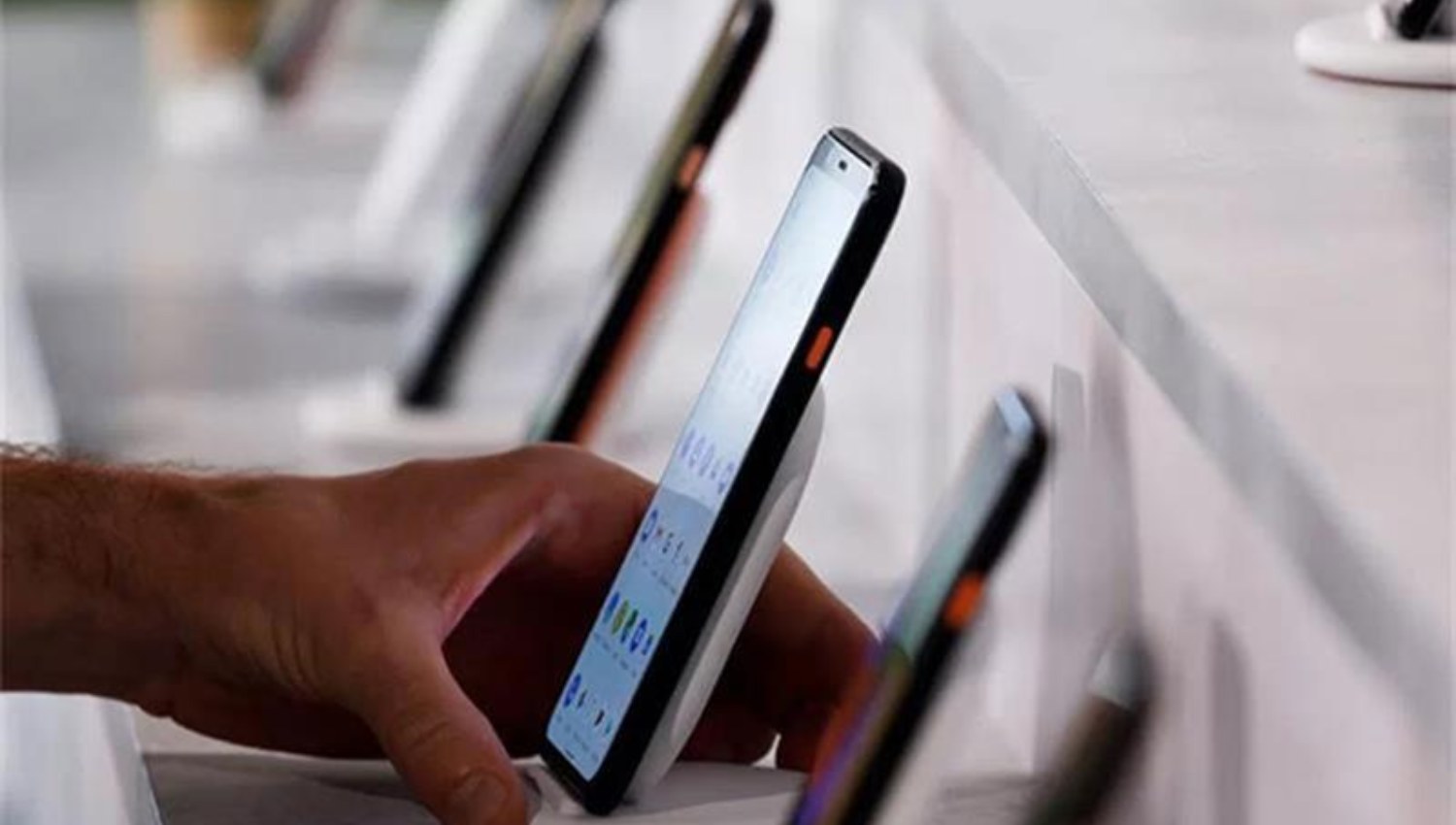

Sales of mobile phones made in Egypt have dropped by about 20 per cent since the start of 2026, according to an industry official, as a shortage of key components has pushed up prices and cut local output. The figures came from Mohamed Talaat, head of the Telecommunications and Mobile Phones Division at the Federation of Chambers of Commerce, speaking on Lamis Elhadidy’s programme Elsoura.
Talaat said global chip suppliers are not producing enough mobile chips to meet Egyptian demand. Manufacturers are reducing output of mobile RAM and internal storage chips and moving capacity towards the chips and materials used in artificial intelligence. The result, he said, has been higher handset prices and weaker purchasing power for buyers.
Production has fallen short of plan. Egypt has made only 10 million mobile devices so far this year, against a 2026 target of 15 million units, leaving a shortfall of 5 million to make up in the remaining months. That compares with 10 million devices in the whole of 2025, which was itself a sharp rise from 3.3 million the year before, as the government pushed to localise electronics manufacturing and expand domestic industrial capacity.
Prices for locally made phones have climbed about 55 per cent in total, rising by 5 to 7 per cent every 10 to 15 days since January. The cheapest locally made handset now costs about EGP 7,000, up from around EGP 4,500 at the start of the year, a rise of more than half in nine months, while the most expensive reach roughly EGP 60,000. Imported phones carry additional customs duties of 38.5 to 40 per cent and can cost as much as EGP 100,000. Talaat expects no relief soon, saying prices “will continue to rise until the start of 2027”.
Demand for connectivity is still growing. Mobile subscriptions reached 127.89 million at the end of June 2026, compared with 117.52 million a year earlier, and the June figure was up about 980,000 from 126.91 million in May. Egypt’s four mobile operators are investing heavily in 5G, and the government is expanding spectrum, towers and fibre-optic networks while seeking investment in telecoms, outsourcing, AI and digital services. The information and communications technology sector’s share of GDP has doubled from 3.2 per cent to 6 per cent over the past seven years.