
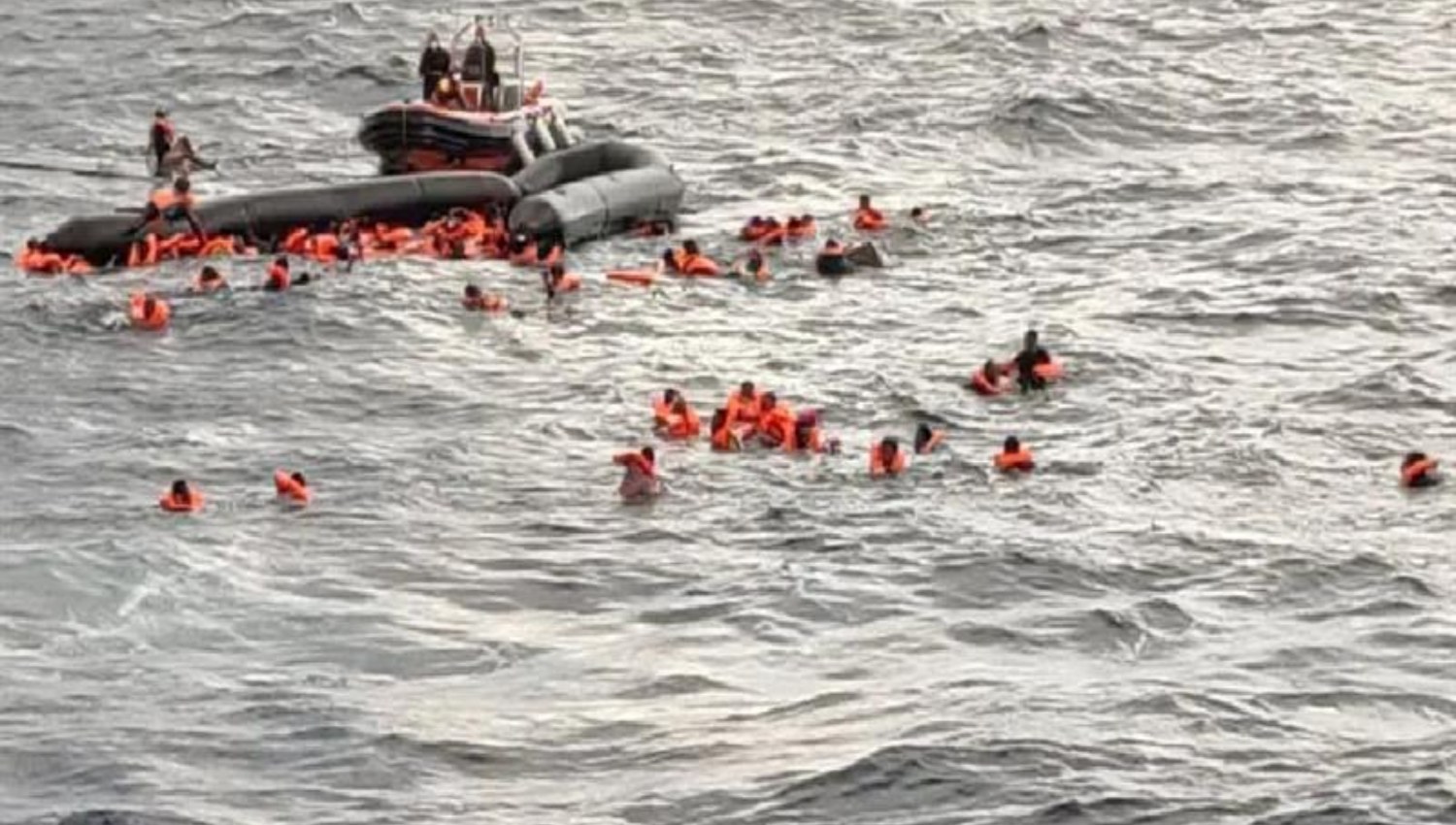

At least 139 migrants, including 15 children, died and 84 are missing after an overcrowded boat travelling from Djibouti to Yemen sank, the International Organization for Migration (IOM) said on Sunday. The vessel was carrying 305 people, most of them Ethiopian, when it capsized overnight on 8 to 9 October north of the Djiboutian town of Obock.
The UN agency first reported 109 dead and 116 missing, then revised the figures as more bodies were recovered. Of the first 109 recovered, 52 were men, 42 were women and 15 were children. The updated toll leaves 82 survivors, all Ethiopian nationals, and the IOM is assisting 64 of them at a migrant centre in Obock. Alexandre Coissac, the IOM’s chief of mission in Djibouti, told AFP that survivors said the boat began sinking backwards as soon as they had boarded. He said 150 of those on board had previously been turned back from Yemen and were attempting the crossing again, and that one survivor he spoke to came from Tigray in northern Ethiopia, where rebels are fighting the federal government.
“This is a devastating loss of life,” Coissac said in a statement, adding that IOM teams were working with Djiboutian authorities to deliver emergency assistance. Search and rescue operations are continuing, and the agency described the wreck as one of the deadliest recorded on the route, which takes migrants across the Bab al-Mandeb Strait to Yemen and onward toward Gulf countries in search of economic opportunity.
Crossings remain frequent despite the dangers and the conflict in Yemen between the Saudi-backed government and the Iran-backed Houthis. IOM spokesman Kennedy Omondi Okoth told AFP that 178,000 people arrived in Djibouti from Ethiopia between January and October 2026, and that more than 20,000 crossings from Ethiopia have been detected since 10 September. Most people making the journey come from Ethiopia or Somalia, and many end up stranded in Djibouti. The IOM recorded more than 900 deaths or disappearances on the sea route to Yemen in 2025, a year in which the number of people attempting it rose 18%. A wreck in March 2026 killed nine people and left 45 missing.
The agency said poverty, insecurity and climate change continue to push people onto the route even as the Middle East grows more unstable. IOM Director General Amy Pope said people do not board boats like this unless they see no safe alternative, adding: “We cannot keep treating these deaths as normal.” The IOM has urged donors and partners to step up support for Djibouti’s response, including search and rescue and life-saving aid.