
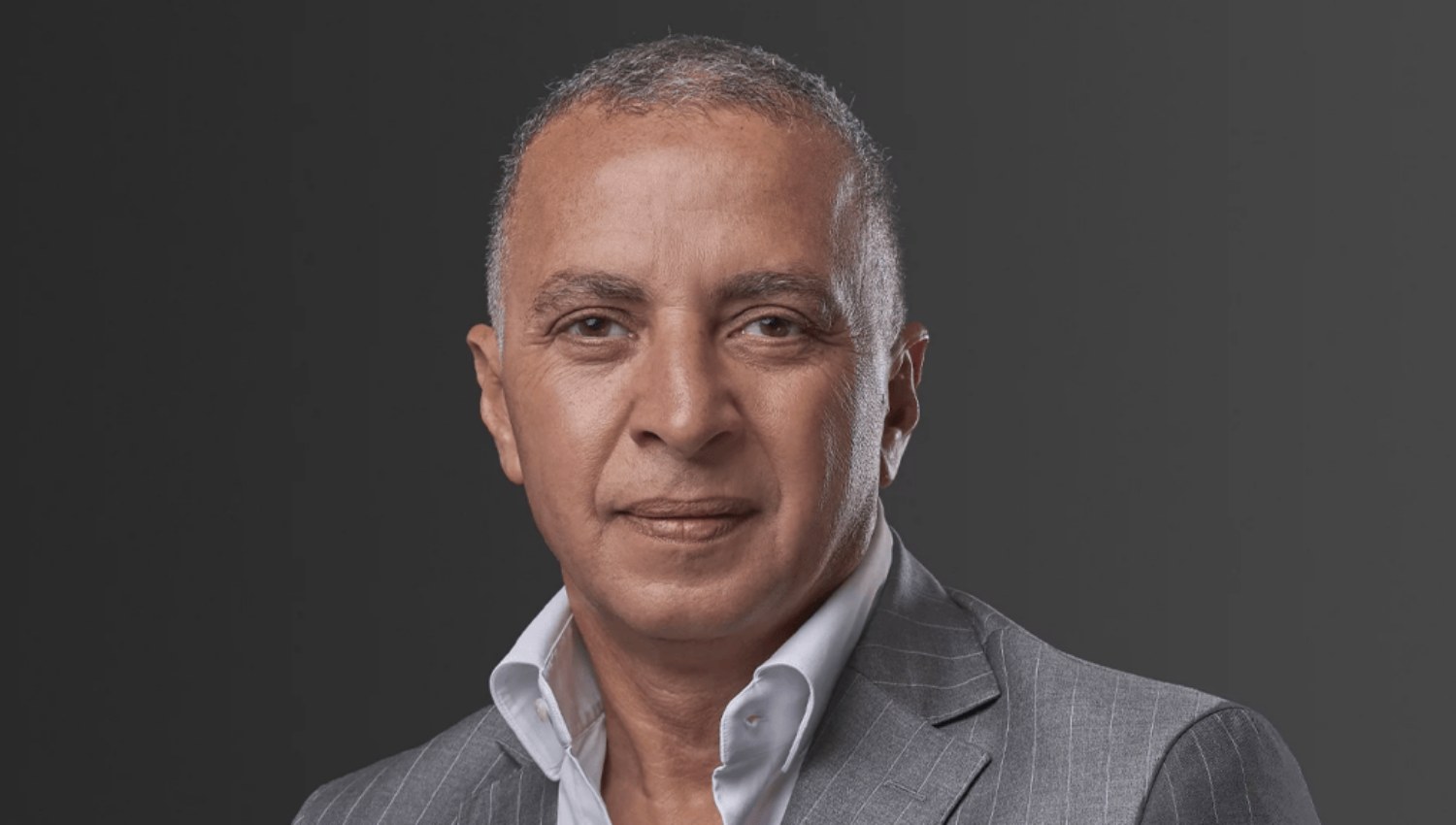

Elsewedy Electric, the Egyptian group owned by businessman Ahmed Elsewedy, has submitted a feasibility study to Algeria’s Prime Minister’s Office for a factory that would build fully electric and hybrid vehicles under the Ezz Elsewedy brand. The study is now under review by the Algerian authorities.
The plan was set out by Mostafa Awad El-Helwany, general manager of ElSewedy Electric Algeria, at the NAPEC 2026 energy conference in Oran, as reported by Alarabiya Business. Two models are envisaged: a fully electric car and a hybrid that would run on roughly 80 per cent electric power and 20 per cent petrol. The company aims to produce 50 to 60 per cent of the components locally, excluding the engine, with key engineering parts imported from Germany and China.
Several details have yet to be made public, including the factory’s location, production capacity, start date and standalone cost, and no production timeline has been given. The project falls within a broader $1.3 billion investment programme for Algeria that Elsewedy announced in May 2026. Any progress beyond the planning stage will depend on the government’s response to the feasibility study.
The proposal builds on a long presence in the North African country. Elsewedy has operated in Algeria for more than 15 years and holds about 45 per cent of the national market for electrical equipment, according to local data. In September 2025 it signed a memorandum of understanding with the Algerian Investment Promotion Agency covering up to $2.5 billion of investment, including 10 factories. Three new production units started operating in 2026, making data cables, electrical insulation materials and dry-type transformers, with local inputs reaching about 80 per cent of output.
The group is also seeking approval for a steel products plant and seven specialised units producing pipes, PVC resin, fibre-optic cables, centre-pivot irrigation systems and electrical transformers, while a proposed aluminium factory remains under study. A move into vehicle assembly would take the cable and energy manufacturer into a new industry in Algeria and extend a footprint that has so far centred on power and infrastructure equipment. For now, the next step rests with Algiers. Approval of the feasibility study would be followed by decisions on the site, capacity, costs and timetable, which together will show whether the Ezz Elsewedy car project moves from paper to a working assembly line.