
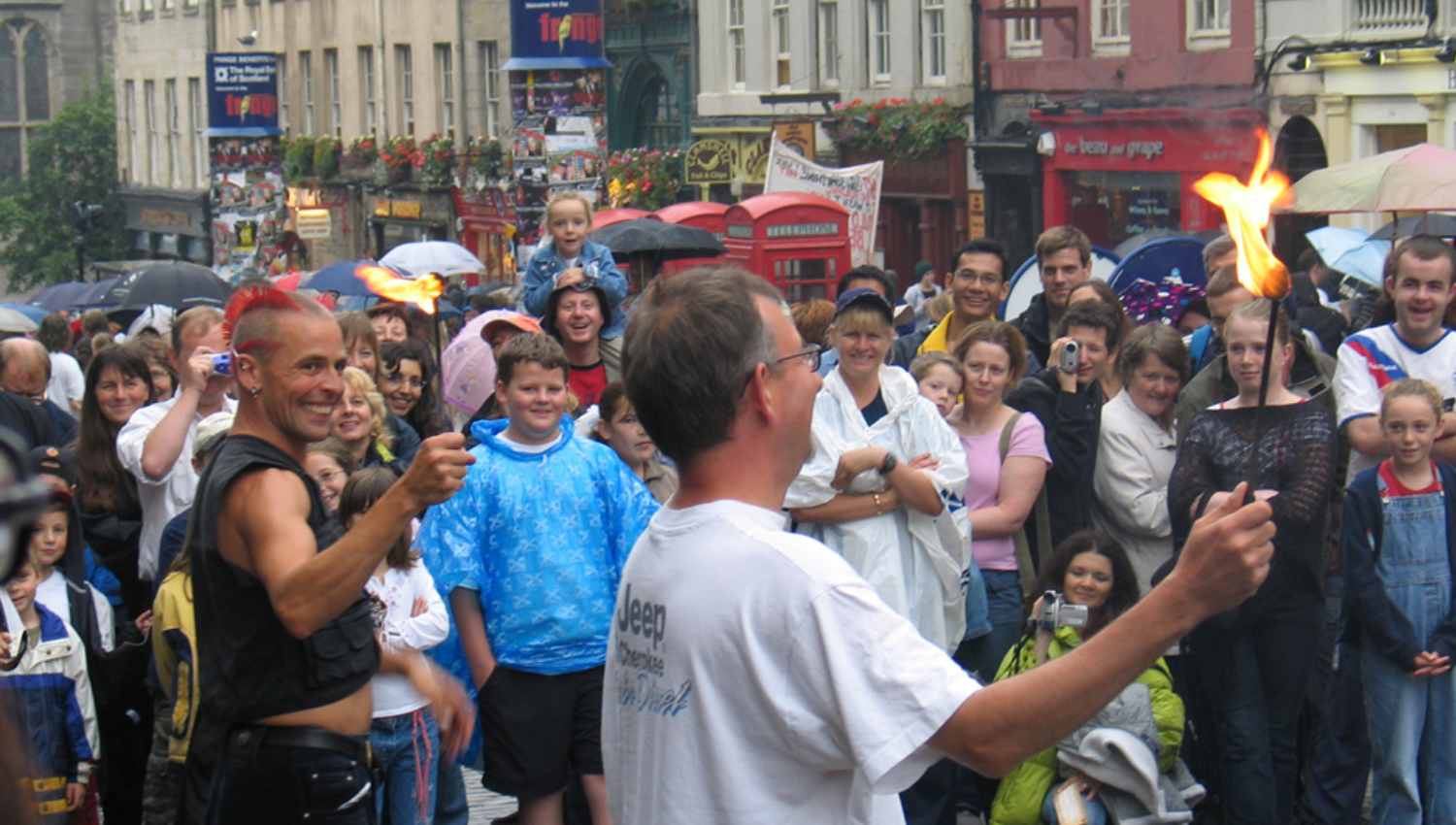

The Edinburgh Festival Fringe has closed its 80th edition with more than 2.8 million tickets issued, an increase of around 8 percent on the previous year, cementing its status as the world’s largest arts festival. This year’s programme featured 4,232 shows drawn from 77 countries, spanning comedy, theatre, dance and cabaret.
Organisers welcomed the rise in attendance as a sign of the festival’s enduring appeal, even as broader questions about cost and accessibility hung over the celebrations. The milestone anniversary drew larger crowds to the Scottish capital, filling venues from grand theatres to cramped basement rooms.
Yet affordability remained the central concern. Soaring accommodation prices in Edinburgh during August have made it increasingly difficult for performers, particularly emerging artists, to cover the cost of a full run. Many acts reported spending more than they could recoup, raising doubts about who can afford to take part.
Industry figures used the anniversary to press for structural changes, including expanded subsidised housing for artists and clearer support for first-time performers. Supporters argue that without such measures the Fringe risks becoming the preserve of those who can absorb heavy financial losses.
For international audiences and performers, including a growing contingent from the Middle East, the festival remains a coveted platform for reaching global critics and programmers. The challenge for its next decade, organisers acknowledge, is protecting that openness against the pressures of its own success.