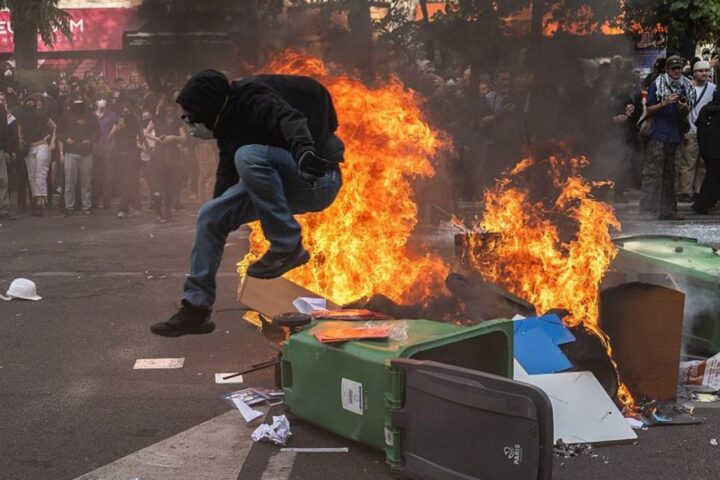

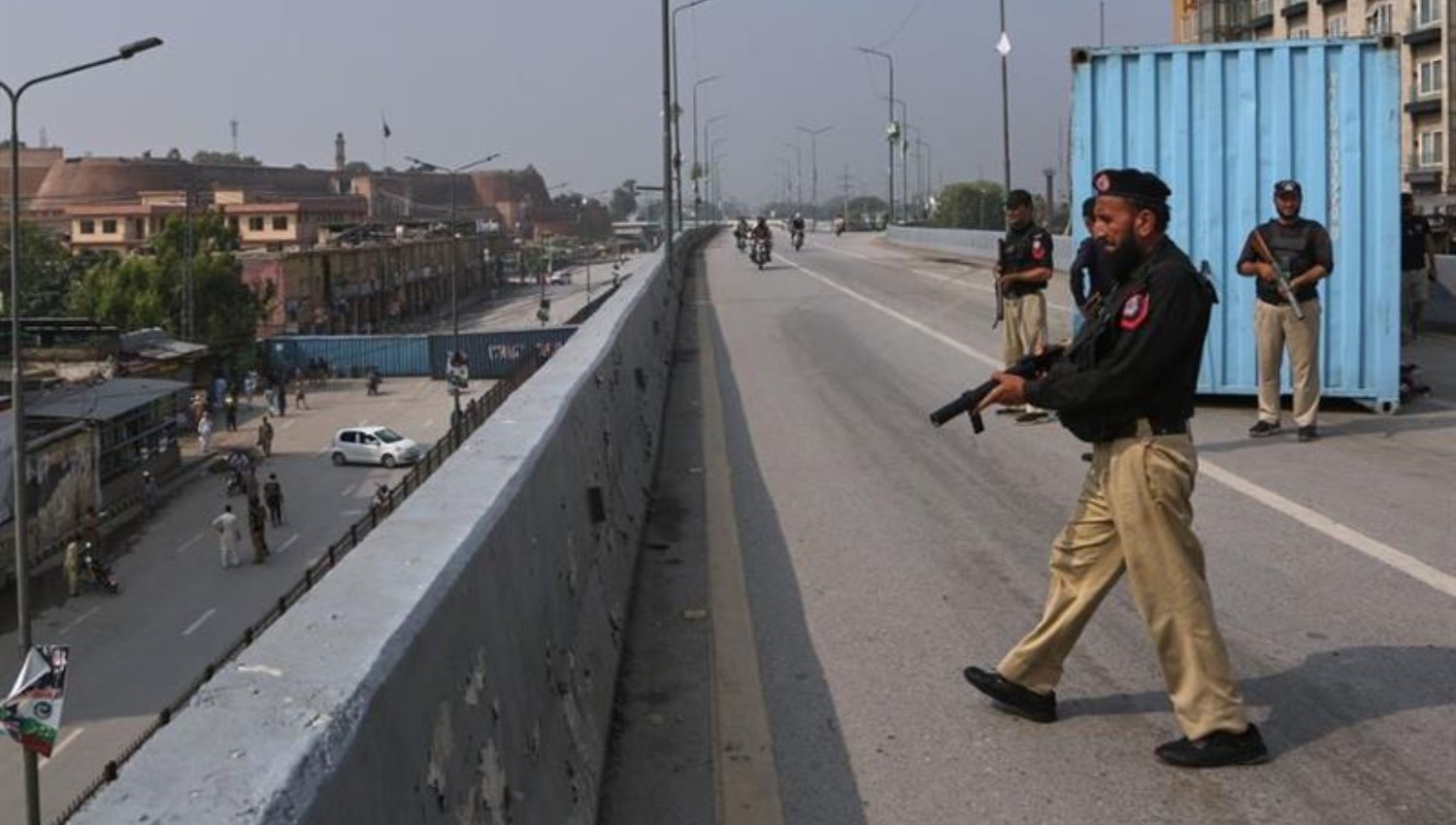

Pakistan placed the northern province of Khyber Pakhtunkhwa (KP) under emergency rule on Sunday, 11 October, the president’s office said. The decision followed anti-government demonstrations by supporters of jailed former prime minister Imran Khan, as well as militant violence in the country’s north-west.
President Asif Ali Zardari signed the order, invoking two security-related articles of the constitution that give the federal government broad administrative powers over the province. His office said he acted on recommendations concerning law and order and the failure of negotiations with government delegations, and released an image of his signature on the measures. Prime Minister Shehbaz Sharif’s office cited a “deteriorating law and order situation in Khyber Pakhtunkhwa” and what it described as the provincial government’s deliberate indifference to the fight against terrorism.
KP is a stronghold of Khan’s party, Pakistan Tehreek-e-Insaf (PTI), and its PTI-led provincial government will be sidelined under the measures.
PTI chairman Gohar Ali Khan said on X that the decision was a grave political mistake and an undemocratic step, adding that the people would never accept such actions against their rights. Thousands of Khan’s supporters have marched across the province demanding his release and criticising the government’s handling of the economy. AFP reported a heavier security presence in Peshawar, the provincial capital, on Sunday, and roads stayed closed in other cities in the province.
The so-called long march began about a week before the emergency, after talks between PTI and the government broke down on 4 October. The protesters’ demands included access to Khan for his doctors. The government, which wanted to avoid a show of opposition strength, had tied talks on PTI’s demands to agreement on security measures in the province. Khan has been in jail since August 2023 and faces numerous charges, including corruption, treason and inciting violence, arising from riots in May 2023. He and his legal team reject the charges as politically motivated.
Pakistan blames rising attacks in KP and the southern border province of Balochistan on militants operating from Afghanistan. The Taliban government in Kabul denies this and accuses Pakistan of violating Afghan sovereignty and killing civilians. The dispute escalated into war between the two countries in February, and although a truce was agreed in March, sporadic attacks have continued with no lasting security settlement in place.