
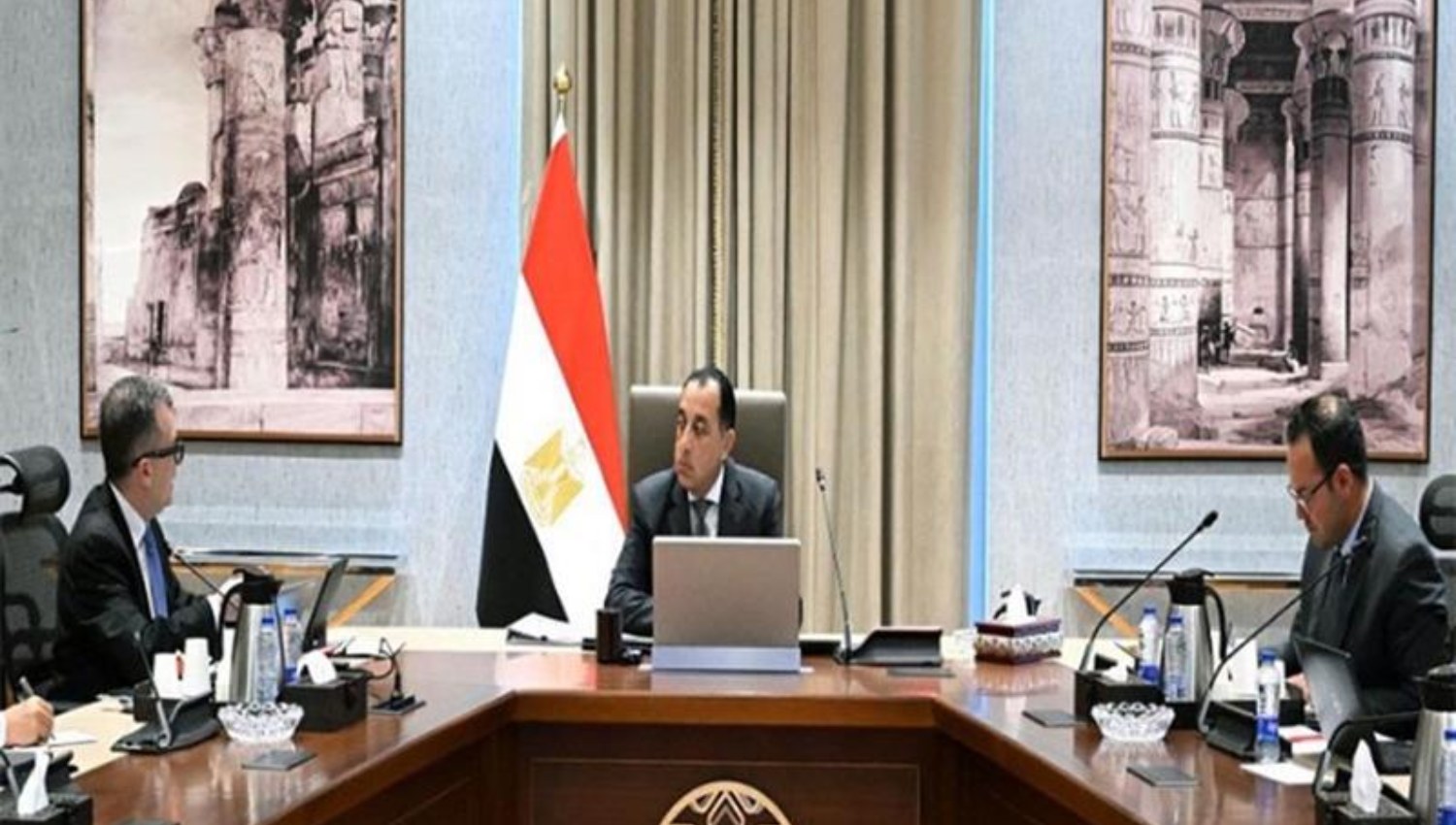

Egypt is preparing a national economic transformation programme for 2027 to 2030 designed to make the economy more resilient, improve private sector competitiveness and create jobs. Planning and Economic Development Minister Ahmed Rostom outlined the plan on Sunday, 11 October, following a meeting with Prime Minister Mostafa Madbouly.
The programme will draw on existing sector strategies, the industrial development strategy and the national employment strategy. Its priorities include higher productivity, better allocation of investment and stronger governance of public finances. It proposes a more even spread of public and private investment across governorates, higher energy output and efficiency, and growth in both domestic energy use and exports. It also calls for closer coordination between the Central Bank of Egypt, the Ministry of Finance and the planning ministry. Madbouly and Rostom also reviewed recent macroeconomic developments and preparations for the next fiscal year.
The current fiscal year, 2026/2027, began on 1 July. The government is targeting economic growth of 5.4% and total investment of EGP 3.7 trillion, with the private sector expected to provide around 59% of that amount. Officials want private companies to take a larger share of economic activity and are placing particular emphasis on expanding manufacturing capacity.
The meeting also covered legal and legislative reforms intended to improve the investment climate and protect investors’ rights. Rostom pointed to state support for entrepreneurs, start-ups and fast-growing companies, as well as structural measures under the State Ownership Policy Document and the government’s privatisation programme. The government is developing long-term financing tools, diversifying funding sources, improving liquidity for public and private projects and using digitalisation to widen the tax base. Egypt is now entering the second phase of its economic and structural reform programme, which is backed by an $8 billion IMF loan programme that ends in mid-December 2026.
Workforce development formed the final strand of the discussions. Rostom recently met LinkedIn officials to discuss using big data to identify the skills most in demand, information that could help policymakers plan the labour market. He also met a delegation from ESLSCA University about renewing and expanding training for leaders and staff in the state administration. That partnership has so far funded 1,500 scholarships for young government leaders to study for a Master of Business Administration in Government, with the aim of building leadership and management skills and improving public sector performance.