
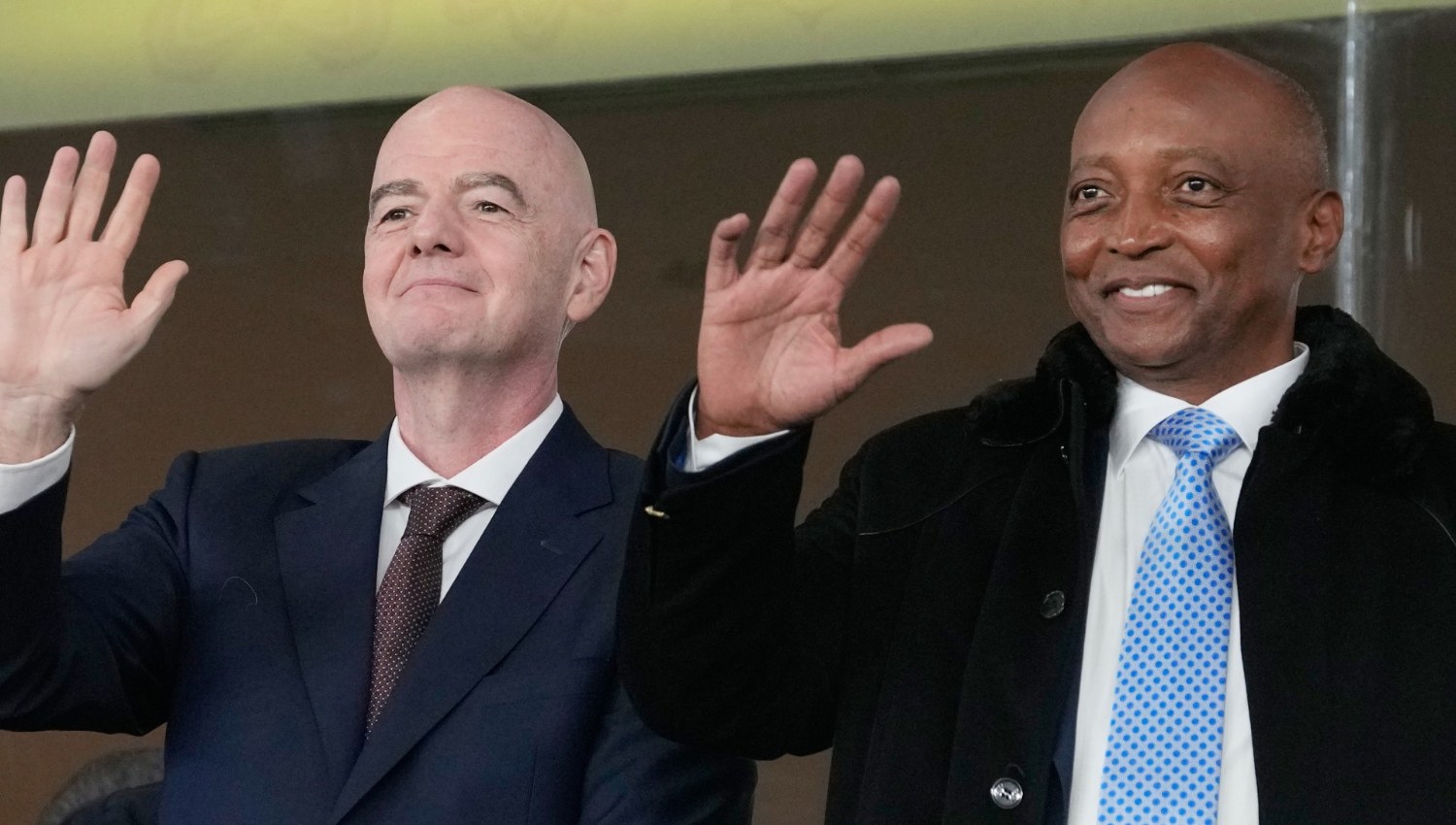

The Confederation of African Football is considering moving the Africa Cup of Nations back to a two-year cycle, less than a year after deciding to stage it every four years. CAF president Patrice Motsepe confirmed the review on Friday in Cape Verde, while making clear that no decision has yet been taken. The shift would undo one of the biggest calendar changes the confederation has made in recent years, about 10 months after it was announced.
“We are looking into bringing AFCON back to every two years,” Motsepe told a press conference on the final day of CAF’s Strategy Conference. Journalists Romain Molina and Ed Aarons had reported beforehand that officials would discuss reversing the change at the gathering in Santa Maria, on Sal Island. The three-day meeting brought together the presidents of all 54 member associations, Executive Committee members, national team coaches and other officials, with the aim of setting the continent’s football priorities up to 2030.
CAF announced in December 2025 that the tournament would switch to a four-year cycle after the 2028 edition. Under that plan, the 2027 finals in Kenya, Tanzania and Uganda would go ahead as scheduled, followed by a further tournament in 2028. The change was linked to a new African Nations League due to start in 2029, which CAF said would give Africa a major senior men’s national team competition every year outside FIFA World Cup years.
The four-year format attracted criticism across African football almost as soon as it was announced. In January, Motsepe defended the decision and rejected claims that FIFA had pressured CAF into changing how often the tournament is held. His remarks in Cape Verde show a clear shift from that position, even though he stopped short of announcing a reversal and stressed that the matter remains under review.
A return to a biennial schedule would oblige CAF to revisit calendar planning that is already well advanced. The confederation has already opened bidding for the 2028, 2032 and 2036 editions of the tournament, all of which were set out with the four-year model in mind. It has not explained how a two-year cycle would affect those bids or the African Nations League, and it has not said when it expects to make a final decision. Until it does, member associations, would-be hosts and clubs with African players will be planning around a schedule that could still change.