
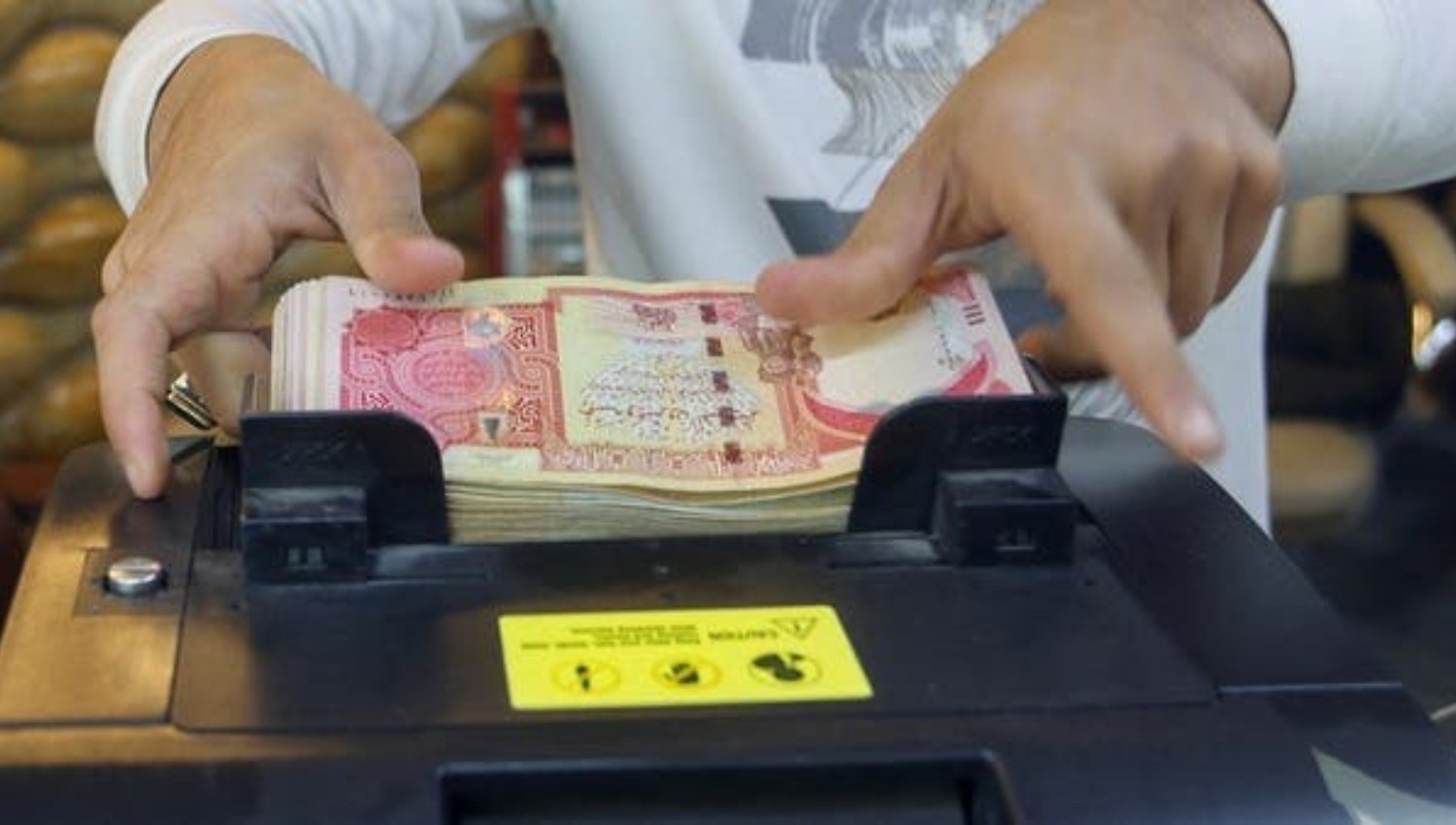

Iraq has devalued its currency, moving the official exchange rate from about 1,300 dinars per US dollar to 1,500 dinars. The change took effect on Wednesday 7 October after the Cabinet approved it at a meeting the night before. The new level cuts the dinar’s official value by roughly 13 per cent.
In a statement, Iraq’s central bank said the new rate was set “to meet the relevant financial, economic and monetary requirements”. It gave no further detail on the decision. Under the revised arrangement, the Finance Ministry sells dollars at 1,500 dinars each, while consumers buying dollars from banks pay 1,520 dinars. The previous official rate had been in place since 2023. A consumer buying dollars at a bank now pays about 17 per cent more in dinars than under the old rate.
Iraq’s official rate and the rate charged by exchange shops have never matched, and the difference between them was well known. That gap has grown in recent months, however. Before the announcement, the unofficial rate had already passed 1,600 dinars per dollar, and once the new official rate was published the market rate rose above 1,700. At more than 1,700 dinars, the street price after the announcement was still at least 200 dinars weaker than the new official rate, and over 400 dinars weaker than the old one. The move therefore narrows the distance between the official and street prices without closing it.
The pressure on the dinar is tied to the US-Iran war, which has at times spilled into Iraqi territory, and to disruption of shipping through the Strait of Hormuz. Iraq relies heavily on oil sales for its income, and before the war most of its crude left the Gulf through Hormuz. Since fighting began, the country has been sending oil overland through Syria instead, a route that costs more and carries smaller volumes. Lower export capacity means fewer dollars flowing into the state, at the same time as demand for hard currency remains high.
Iraq is not the only economy in the region whose currency has come under strain. Neighbouring Iran’s rial reached a new low earlier in the month, prompting its central bank to sell dollars to support it. For Iraqi households and importers, the immediate effect is that dollars bought through official channels now cost more dinars. How far the gap with the market rate narrows will depend on whether export routes recover and how much hard currency the state can supply through banks.