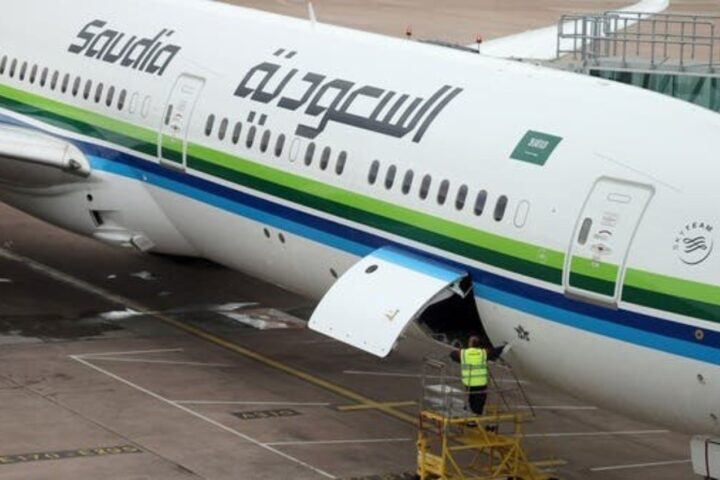


The Saudi Agricultural and Livestock Investment Co. (SALIC) is transferring ownership of the National Grain Co. to its subsidiary, the National Grain Supply Co., known as SABIL. The move comes after SALIC, which is owned by the Public Investment Fund, bought the remaining 50 per cent of National Grain Co. and took full control of the business.
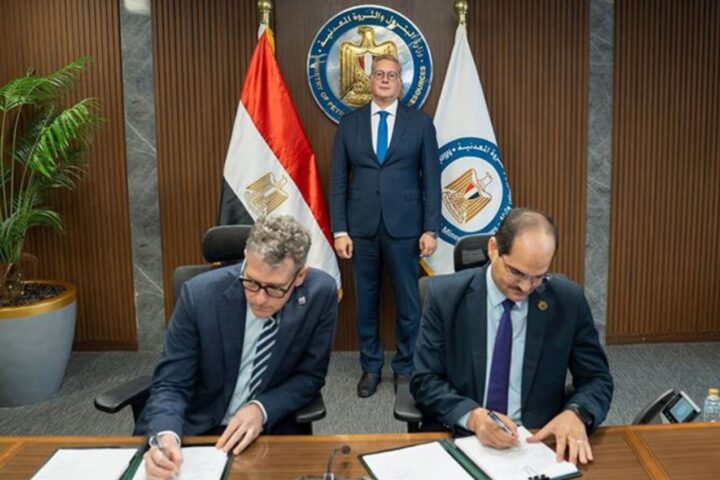
The announcement was attended by Abdulrahman bin Abdulmohsen Al-Fadley, Minister of Environment, Water and Agriculture, who also chairs SALIC’s board. The tie-up brings two different sets of assets under one roof. SABIL manages the kingdom’s strategic wheat reserve, runs the national silo and storage network, and handles and distributes grain. National Grain Co. adds international sourcing, grain and feed inputs, and operations in the local market. SABIL has also handled a first wheat shipment of 66,000 tonnes at Neom Port, according to a separate Arab News report.
Under the new structure, National Grain Co. will keep operating as a separate legal entity, wholly owned by SABIL. The two companies will work inside a single national system for grain and feed inputs, with the stated aims of keeping supply uninterrupted, meeting food security targets and supporting Saudi Vision 2030.
With the extra business folded in, SABIL is expected to cover a broader range of grains and commodities and respond more closely to local demand. National Grain Co. keeps its own corporate identity, but its decisions will now sit inside SABIL’s wider remit.
The reshuffle is part of a wider SALIC plan to link its investments at home with those abroad. In July, the company announced that Continental Farmers Group would be combined with Olam Agri to strengthen its international sourcing. Bringing National Grain Co. under SABIL connects that global buying network with the kingdom’s domestic logistics and commercial channels, so that grain sourced overseas can move more directly into Saudi storage and distribution.
SALIC has not disclosed what it paid for the remaining half of National Grain Co., when the purchase closed, or whether any regulatory approvals were needed, and no executive or ministerial comments were released with the announcement. The practical test will come as SABIL starts to run sourcing, storage and distribution as one system. For a country that imports most of its grain and feed, the arrangement places the full chain from foreign suppliers to domestic silos under a single state-backed operator.