

Morocco has joined a US-led coalition on artificial intelligence, signing the Joint Statement on AI Opportunity Partnership alongside 18 other countries. The US State Department’s Economic Affairs account announced the new endorsements on 1 October, taking the group to 54 countries.
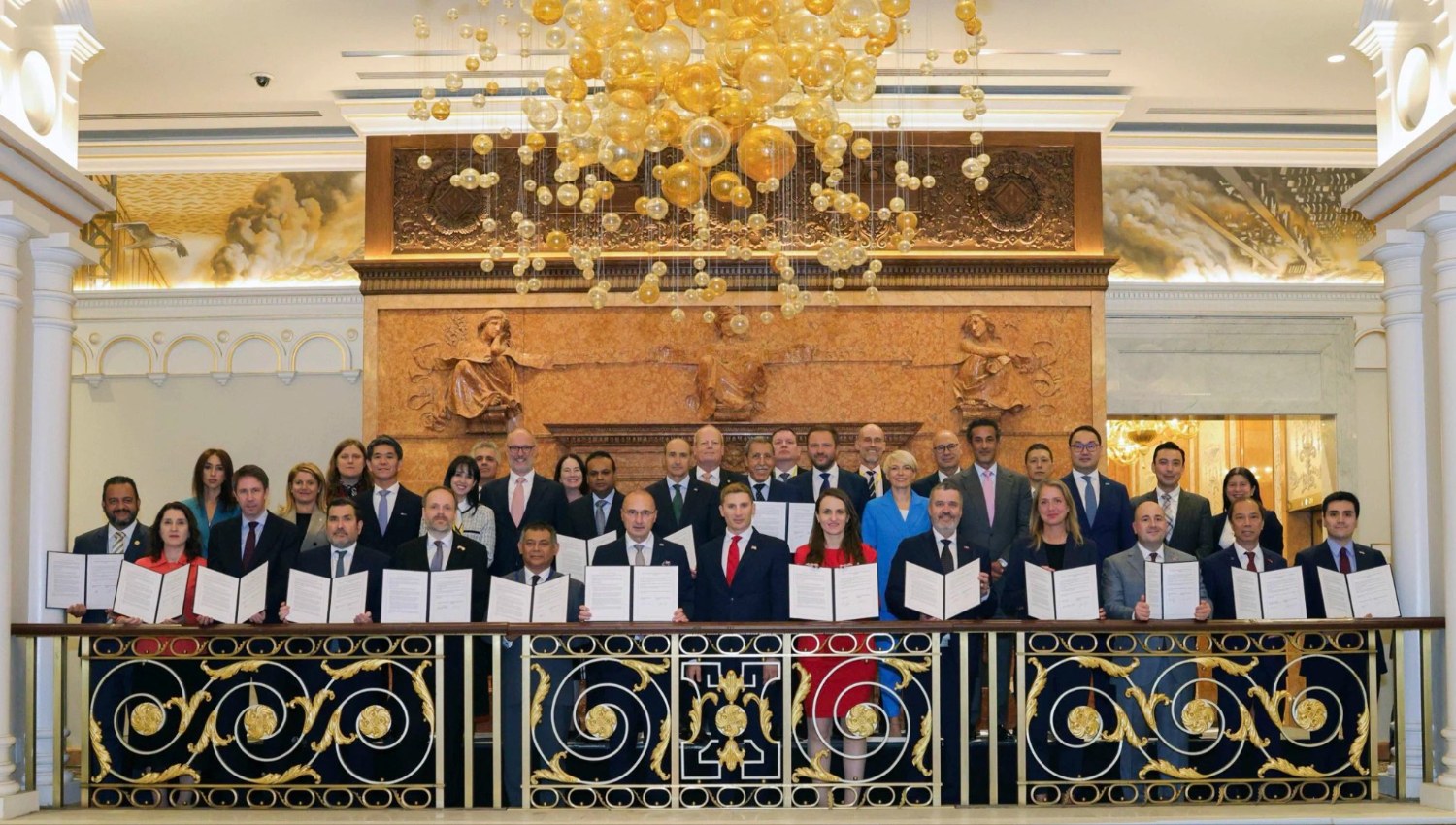
The 19 new members signed during the UN General Assembly’s high-level week in September. Alongside Morocco, they were Albania, Austria, Croatia, Cyprus, Czechia, the Dominican Republic, Georgia, Iceland, Malaysia, Malta, Mauritius, Peru, Palau, Tonga, Romania, Serbia, Slovenia and Vietnam. Signatories commit to a regulatory climate that favours growth and innovation, with an emphasis on start-ups, developers and the private sector, and agree to align what the text calls their super intelligence supply chains with the US and the other Pax Silica economies.
Pax Silica is Washington’s initiative to secure supply chains for AI models, semiconductors and critical minerals. It began in December 2025 with a small group of countries, and its second summit, held in Washington in June 2026, produced the joint statement, which 35 nations signed at the time. Jacob Helberg, US Under Secretary of State for Economic Affairs, framed the contest as one over energy, compute, chips, talent and builders. “The future of AI will not be determined by who regulates first,” he said.
The expansion comes as rivalry with China hardens. In July 2026, Chinese President Xi Jinping launched the World Artificial Intelligence Cooperation Organization, which promotes open-source technology and now has 29 members. A draft State Department letter reviewed by Reuters warned that countries cannot align with the US while belonging to competing frameworks. China’s embassy in Washington has rejected the politicisation of trade and technology, saying it would slow global AI progress. The rivalry has sharpened as Chinese open-weight models close in on US systems from OpenAI and Anthropic.
The two powers are also talking directly. At their White House summit in September, Xi and US President Donald Trump agreed to set up a US-China Super Intelligence Dialogue, with the first round scheduled for November. Treasury Secretary Scott Bessent said the talks could cover protocols for threats such as uncontrollable autonomous agents. Morocco has not detailed what specific commitments it made by signing, but the move places Rabat on Washington’s side of a split that is shaping how countries source chips and build AI.