

Artificial intelligence is widening football’s scouting map, with predictive models now able to search hundreds of leagues and project how a player might perform elsewhere. At Al Kholood, a Saudi Pro League club with far less spending power than the division’s giants, the technology is central to how the team believes it can compete. “Anyone that falls outside of those data metrics is not considered,” said Gareth Jennings, group sporting director of the Harburg Group, the American ownership company that bought the club last year.
Based in Ar Rass, about 450 kilometres west of Riyadh, Al Kholood only reached the top flight in 2024. American investor Ben Harburg bought the club outright in July 2025, making it the first Saudi Pro League side under foreign ownership. Eleven months later it reached its first King’s Cup final, losing 2-1 to Al Hilal. Its biggest signing this summer, winger Coba da Costa from Getafe for around 2 million euros, came as seven Pro League clubs outspent it in the window, something Jennings welcomes.
“We want clubs to spend more than us and build on some of the inefficiencies that exist in the game,” he said. “The playing field is never level. It’s then trying to find ways you can be really smart against your competitors, and one of those is the use of data.” For each role the club sets its own benchmarks, with different requirements for local and foreign players, and only once several candidates fit the model does it weigh character, future value, injury history or discipline.
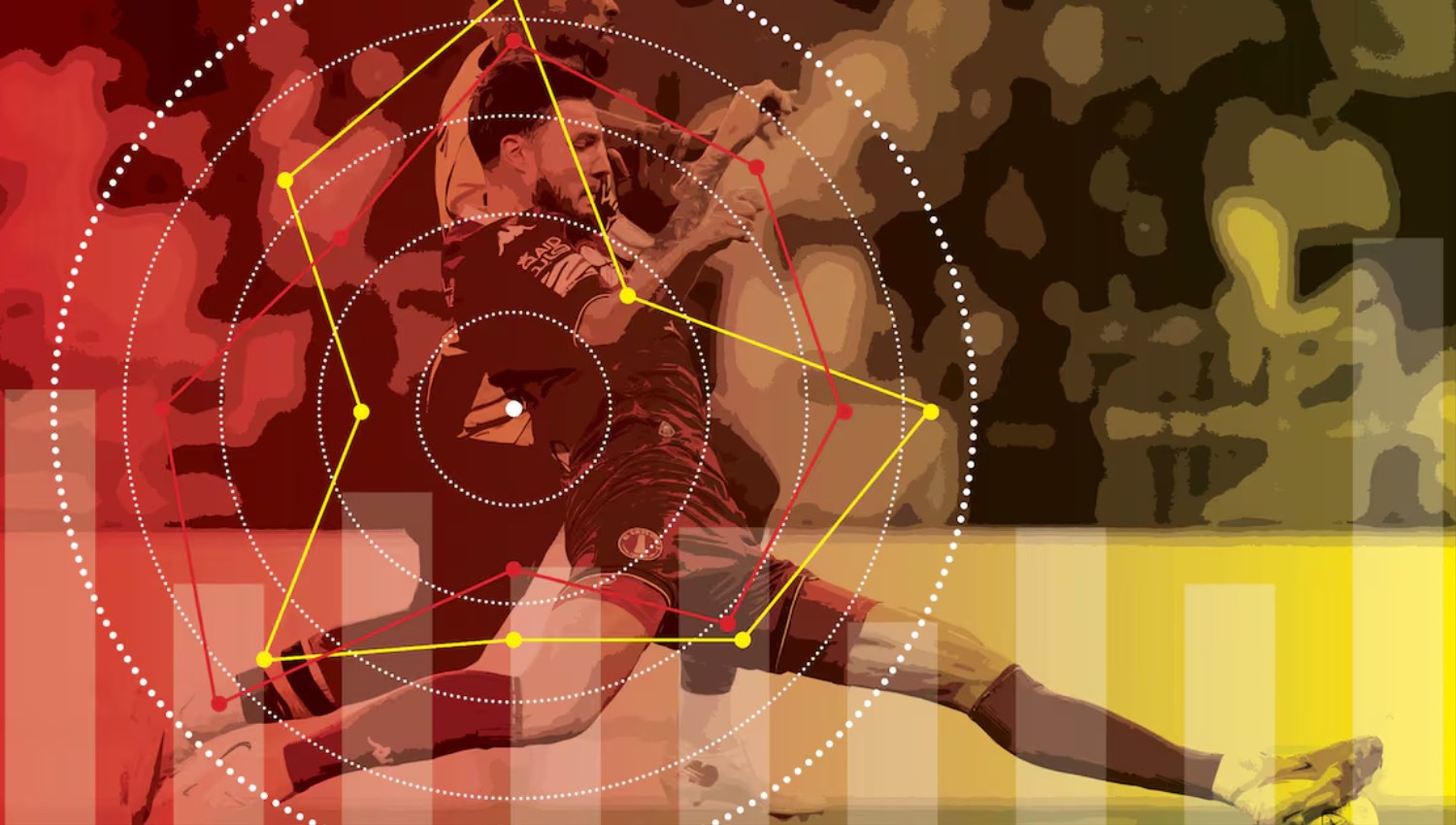
The system comes from the firm Teamworks, whose Player ID models cover more than 200 leagues and roughly 100,000 players, adjusting for the standard of competition and the style of team a player has featured in. “Let’s try and remove all the noise around this player and isolate for true player skill,” said Rich Byrne, commercial director of Teamworks Player ID. The harder task, he said, is prediction: “If I give this player a three-year contract, what can I expect his output to be? That’s the hardest question in football.”
Byrne is candid about the limits, warning that some clubs build “naive models” that have not been tested across enough transfer windows. Teamworks has refined its own over 22 windows in 11 years, yet he calls it no silver bullet: most clubs succeed on fewer than half their transfers, he said, while his aim is to lift that to 70 to 80 per cent. Uefa’s recent Elite Scout Programme strikes a similar balance, presenting AI as a powerful accelerator while insisting that judging potential still needs human intuition. For Al Kholood, the longer test is whether the projections turn into a profitable trading model, but its cup run has already shown it intends to compete.