
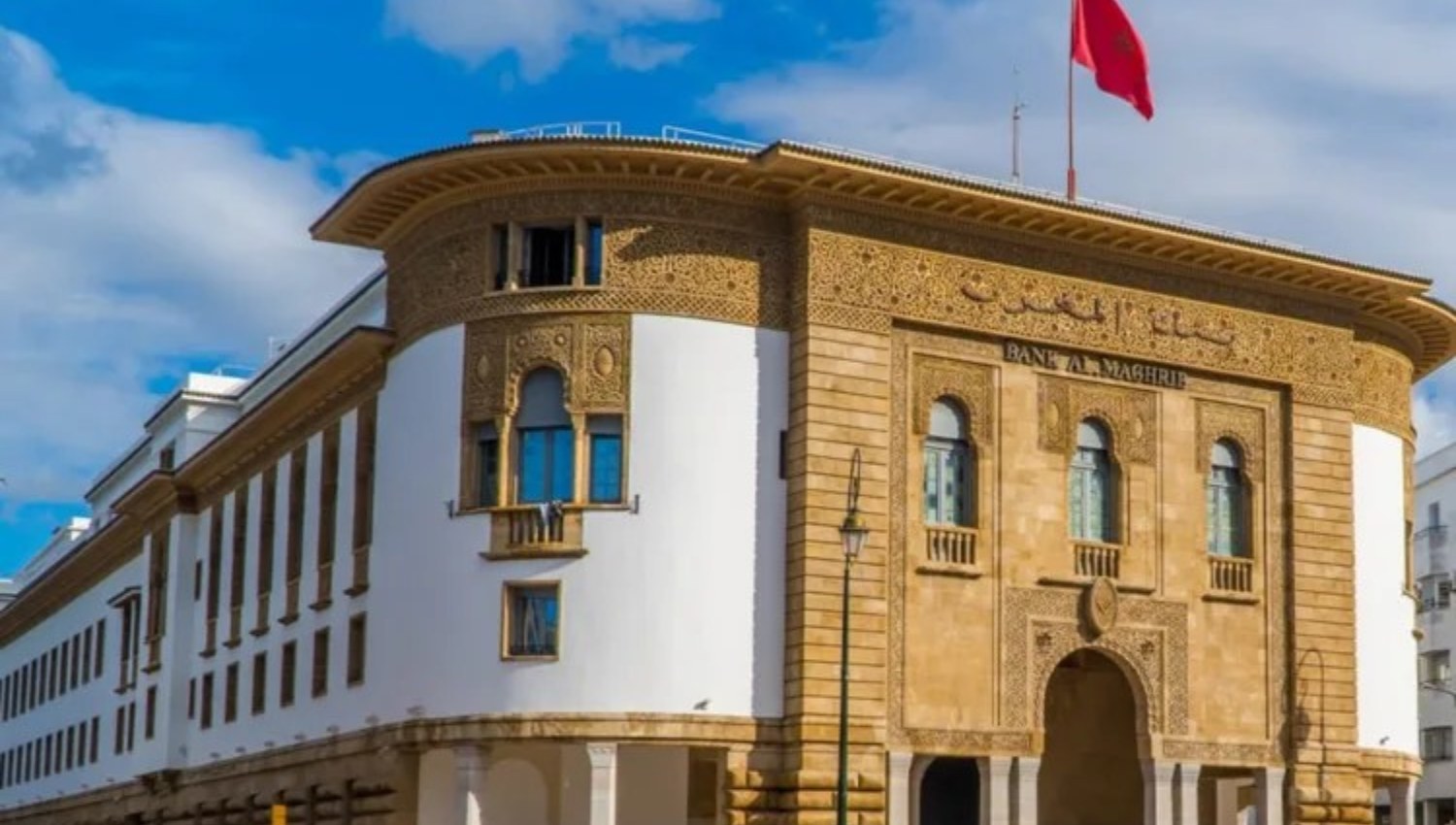

Bank Al-Maghrib, Morocco’s central bank, is studying whether to issue a digital version of the dirham, weighing the gains and risks of a central bank digital currency in an economy that still runs largely on cash. The bank has set no launch date, and the work remains at the research stage.
A 2026 working paper from the central bank shows how heavy that cash dependence is. Currency in circulation rose from MAD 70 billion in 2001 to more than MAD 500 billion in 2025, even as digital payment services expanded. Unlike Bitcoin, a central bank digital currency does not float on a market price: it would be official Moroccan money in electronic form, backed by Bank Al-Maghrib. Depending on its design, it could also work offline, which would bring some of the convenience of cash to electronic payments.
Financial inclusion is one of the main arguments. The paper puts the share of resident adults with a bank account at 62 per cent in 2025, with women less likely than men to hold one and people aged 15 to 24 making up about 10 per cent of account holders. The informal sector is estimated at nearly 30 per cent of GDP, and the High Commission for Planning counted more than two million informal production units in 2023, of which only 2 per cent of managers had a dedicated business account. A low-cost digital dirham could help such firms take electronic payments and keep records, though registration costs and access to credit would still need to be dealt with.
Remittances are another possible use. Transfers from Moroccans abroad have averaged around 8 per cent of GDP in recent years. The paper cites Project mBridge, a Bank for International Settlements pilot involving the central banks of China, Thailand and the UAE, which cut costs on some transactions by up to 50 per cent and settled some payments within seconds. Similar savings for Morocco would depend on bilateral agreements, compatible systems and a legal framework for cross-border transfers.
The obstacles are considerable. Gaps in internet coverage, device costs and digital literacy could leave rural users behind, and the system would need protection against fraud and cyberattacks, along with clear privacy rules. Bank Al-Maghrib would also have to define how a digital dirham fits alongside commercial banks and payment providers. The Bahamas, Jamaica and Nigeria have launched such currencies, but issuance alone has not guaranteed take-up, which depends on public trust, merchant acceptance and a clear advantage over cash and mobile payments.