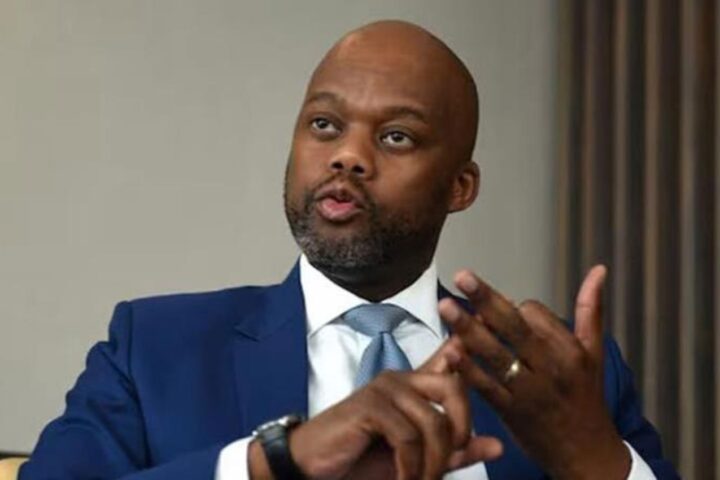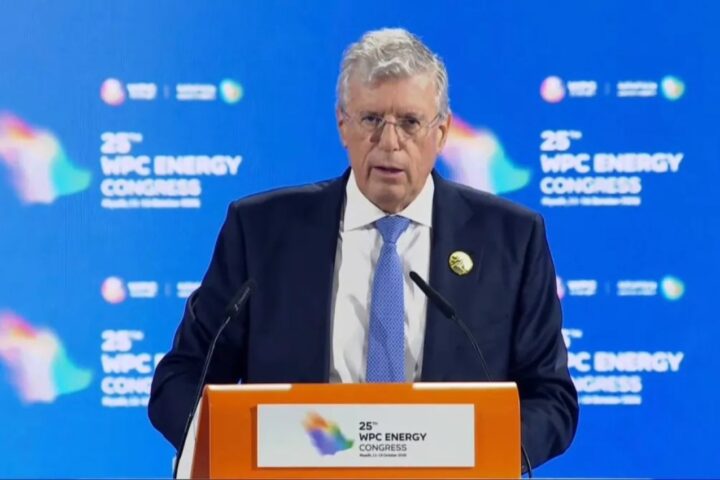

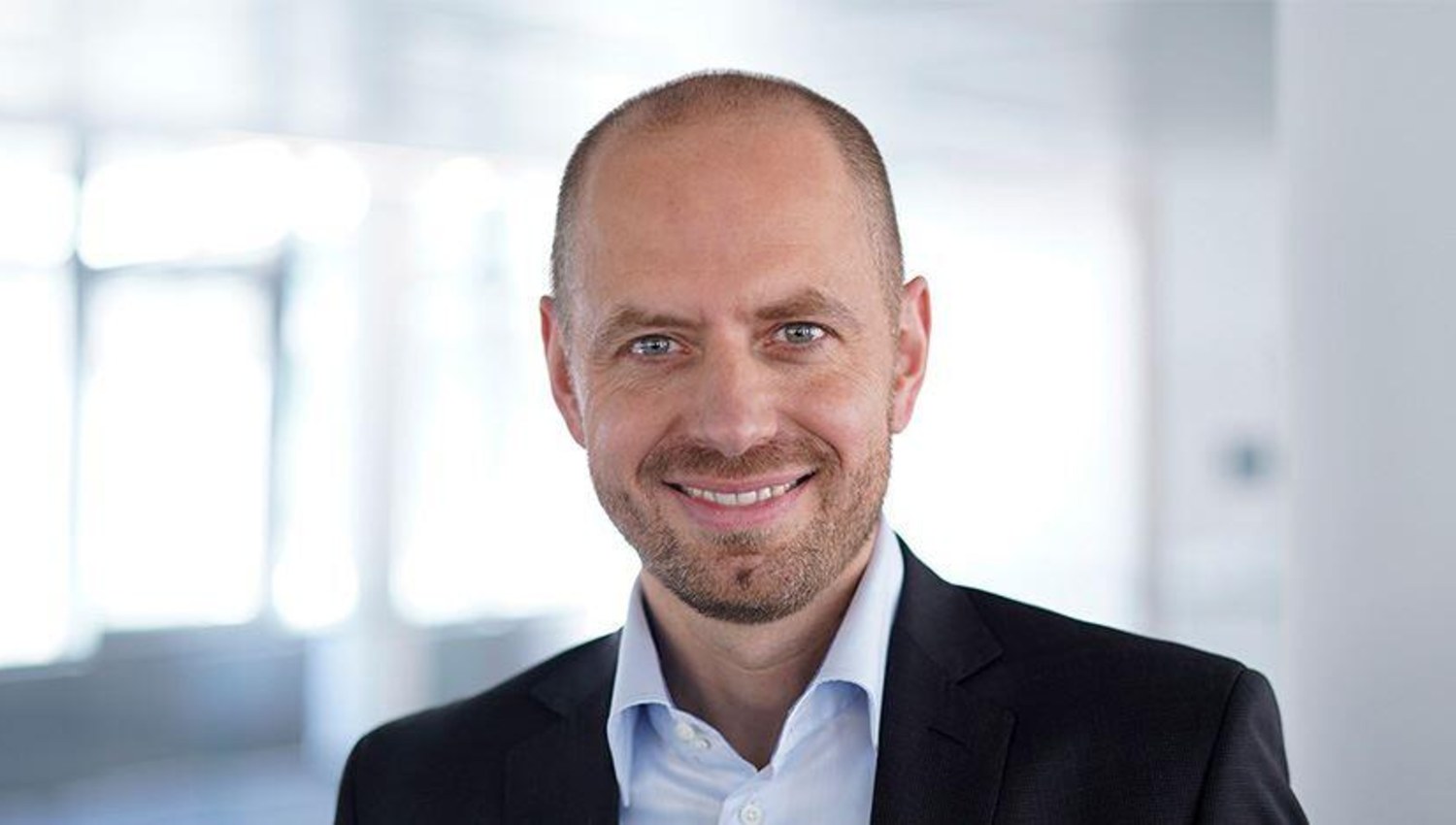

Christian Bruch, chief executive of Siemens Energy, says Saudi Arabia can deliver electricity to AI data centres more quickly than the US. In an interview with Asharq Bloomberg at the company’s facility in Dammam, he credited the Kingdom’s infrastructure and its clear plans for new generation capacity.
Bruch said the speed of power connection has become a deciding factor when operators choose where to build computing capacity, and that moving a launch date by six months can change the economics of a project. Asked directly whether the Kingdom could beat the US on timing, he said: “Yes, I think so.” He held up Saudi Arabia as an example of long-range infrastructure planning, pointing to defined targets up to 2030 that let suppliers deliver projects in stages, and said it can offer power at highly competitive costs. He did not disclose any agreements with Humain, though he expects more announcements on larger data centre projects, with Siemens Energy supplying equipment rather than running sites.
The company is spending about $150 million to add 60,000 square metres to the Dammam site, including a factory for large power transformers that will serve high-voltage networks such as the 380-kilovolt grid. The expansion should create between 130 and 150 jobs and support both local demand and exports. The site already houses a gas turbine factory, a compressor line for the oil and gas sector and a switchgear plant that opened last year. Bruch did not give the new factory’s annual capacity but said further growth is possible if business develops as expected.
Siemens Energy already has large contracts in the Kingdom. In June 2024 it signed a deal worth about $1.5 billion for the Taiba 2 and Qassim 2 gas-fired plants, each planned at roughly 2,000 megawatts, and in March 2025 it won a $1.6 billion contract for Rumah 2 and Al-Nairyah 2, with 3.6 gigawatts between them. Both deals include 25-year maintenance agreements. Bruch said the company is reserving turbine production for Saudi Arabia, with its pipeline running to 2032, and named on-time delivery as the main challenge.
Bruch argued that local manufacturing makes energy systems more resilient to pandemics, shipping delays and conflict. Some shipments were rerouted away from the Strait of Hormuz, he said, without significant disruption to operations. The company wants Dammam to become a regional hub for repairs, with Saudi-based staff handling about 80 per cent of cases, and its local team numbers about 1,000 people. He contrasted the Kingdom’s approach with slow decisions on European offshore wind, which he said left a gap of three to four years. “What we need is clarity on the stability of the environment,” he said.