
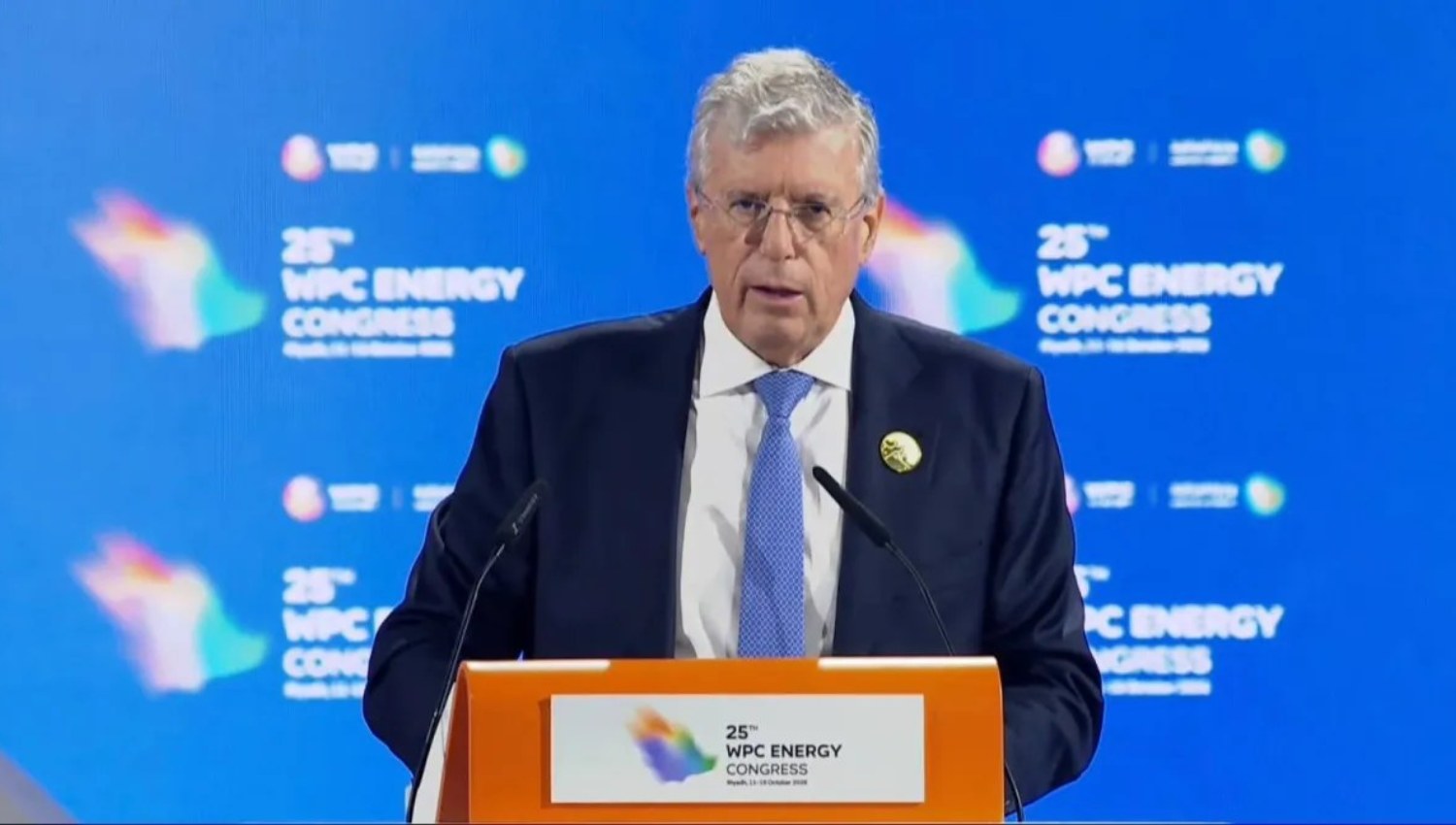

Pedro Miras, president of WPC Energy, used the opening of the 25th WPC Energy Congress in Riyadh to argue that the world can no longer trade energy security, affordability and sustainability against each other. All three have to move forward at the same time as economic development, he told delegates, and he called Riyadh the most suitable host for the gathering.
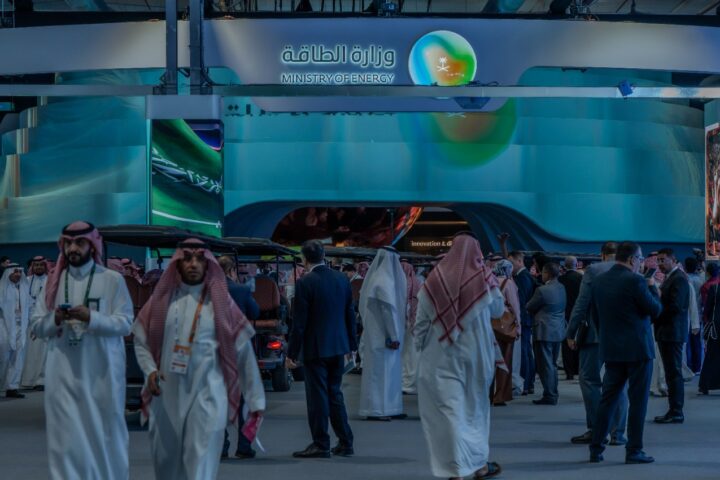
The four-day congress brings together government and industry leaders, academics, technology specialists, financiers and international institutions. It is the first time the event has been staged in Saudi Arabia, and organisers had expected more than 70 ministers and over 300 chief executives from major energy companies to attend. Miras praised the Kingdom’s role in global energy, pointing to its record on investment, innovation and technology.
His case rested on demand. With the global population expected to approach 10 billion by the middle of the century, he said urbanisation and rising living standards will push energy use higher. Oil and gas still supply a significant share of global energy, which in his view shows the size of the task. He linked energy use to gains in health, education and living standards over modern history, and said billions of people seeking better lives will need reliable supply and continued investment.
Miras said countries differ in resources, priorities and stages of development, so they will follow different paths and need a broad range of technologies. He described that diversity as a strength and said technological neutrality remains one of the WPC’s founding principles. He listed artificial intelligence, digitalisation, advanced materials, new fuels, hydrogen, and carbon capture, utilisation and storage as forces changing the sector, but warned that technology alone is not enough. Effective policy, stable and predictable regulation, long-term investment and closer international cooperation are also required, he said, adding that “no single country, company, or technology can address global energy challenges alone”.
He thanked Saudi Arabia and Energy Minister Prince Abdulaziz bin Salman for hosting the congress, and noted that the WPC has served for more than 90 years as a meeting point for governments, industry, academia and international bodies. With global uncertainty and fragmentation rising, he said dialogue matters more than before, and he hoped the week’s discussions would lead to new partnerships and innovations. He closed by setting out the goal as “an energy future that leaves no one behind”, built on cooperation and mutual respect.