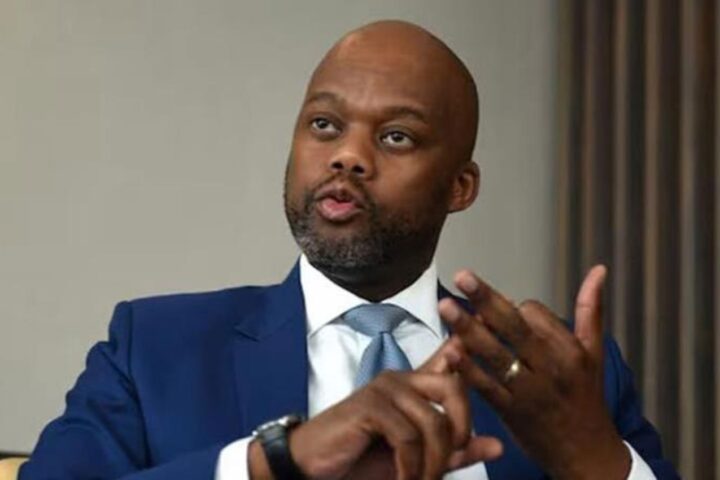


Angela Wilkinson, secretary general and chief executive of the World Energy Council, says oil and gas producers need several routes to market and infrastructure that can take a hit without failing. Speaking to Asharq Al-Awsat before Riyadh Energy Week, she argued that recent disruption to oil trade flows shows how exposed the global system has become to geopolitical risk and bottlenecks.
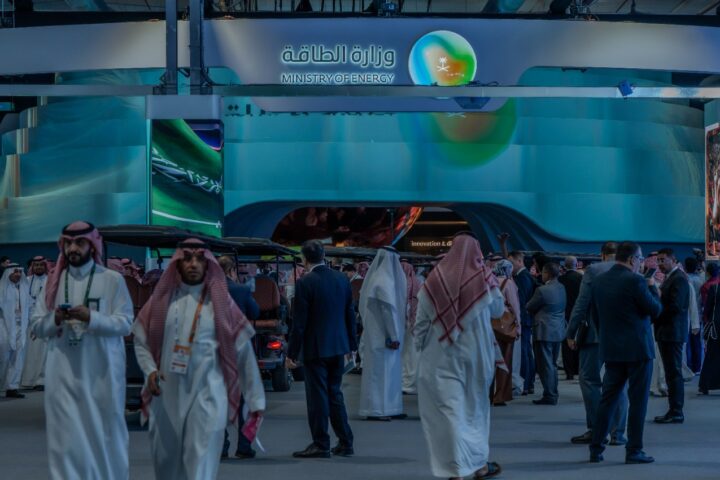
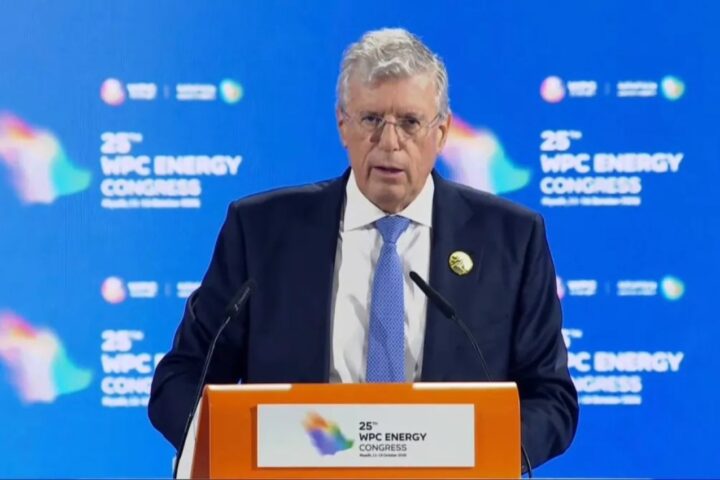
Her comments came ahead of the 25th WPC Energy Congress, the first edition held in Saudi Arabia. Organisers expect more than 70 ministers, over 300 chief executives from major energy companies and leaders from more than 25 international organisations. Running under the theme “Pathways to an Energy Future for All”, the programme includes more than 30 ministerial and leadership sessions on energy security, oil and gas markets, finance, artificial intelligence, critical minerals, carbon management and the future energy mix.
Wilkinson said Saudi production capacity and its alternative export infrastructure carry real weight when established routes are blocked, but she warned that “there is no single route that eliminates all risks”. In her view, the Gulf’s strength rests less on how much it produces and more on whether it can deliver that energy reliably through ports, pipelines, power grids and international markets. She described resilience as building optionality into the system, through diverse sources, more export paths, sound infrastructure and stronger ties between producers and consumers. She drew on the council’s 2026 World Energy Trilemma Report, which consulted more than 275 energy leaders in 65 countries.
She sees the biggest change as a move away from a system organised around supply towards one organised around capabilities. The council is turning its Energy Trilemma from a measurement tool into a dialogue among leaders on system integration, resilience, security and industrial competitiveness. Over the next five to ten years, she expects geopolitics to shape decisions on interdependence more strongly, and noted that cutting one dependency, whether on minerals, technology, manufacturing or infrastructure, can create another. She called rising electricity demand a “supercycle”, adding that the hardest task is making generation, grids, storage and investment work together. Looking to 2030, Wilkinson named two risks she believes are underestimated: treating energy sovereignty as if it meant energy independence, and assuming demand will stay predictable. A country that reduces fuel imports may simply lean harder on critical minerals or clean technology, she said, so security means managing interdependence rather than pulling every part of the system inside national borders. She rejected the idea of one global transition path. For her, the real test is how leaders sequence each stage so that energy stays reliable and affordable while clean electricity and new fuels scale up.