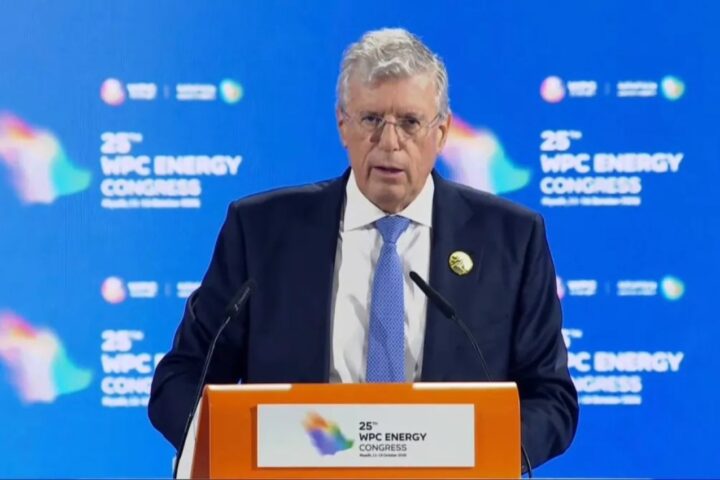

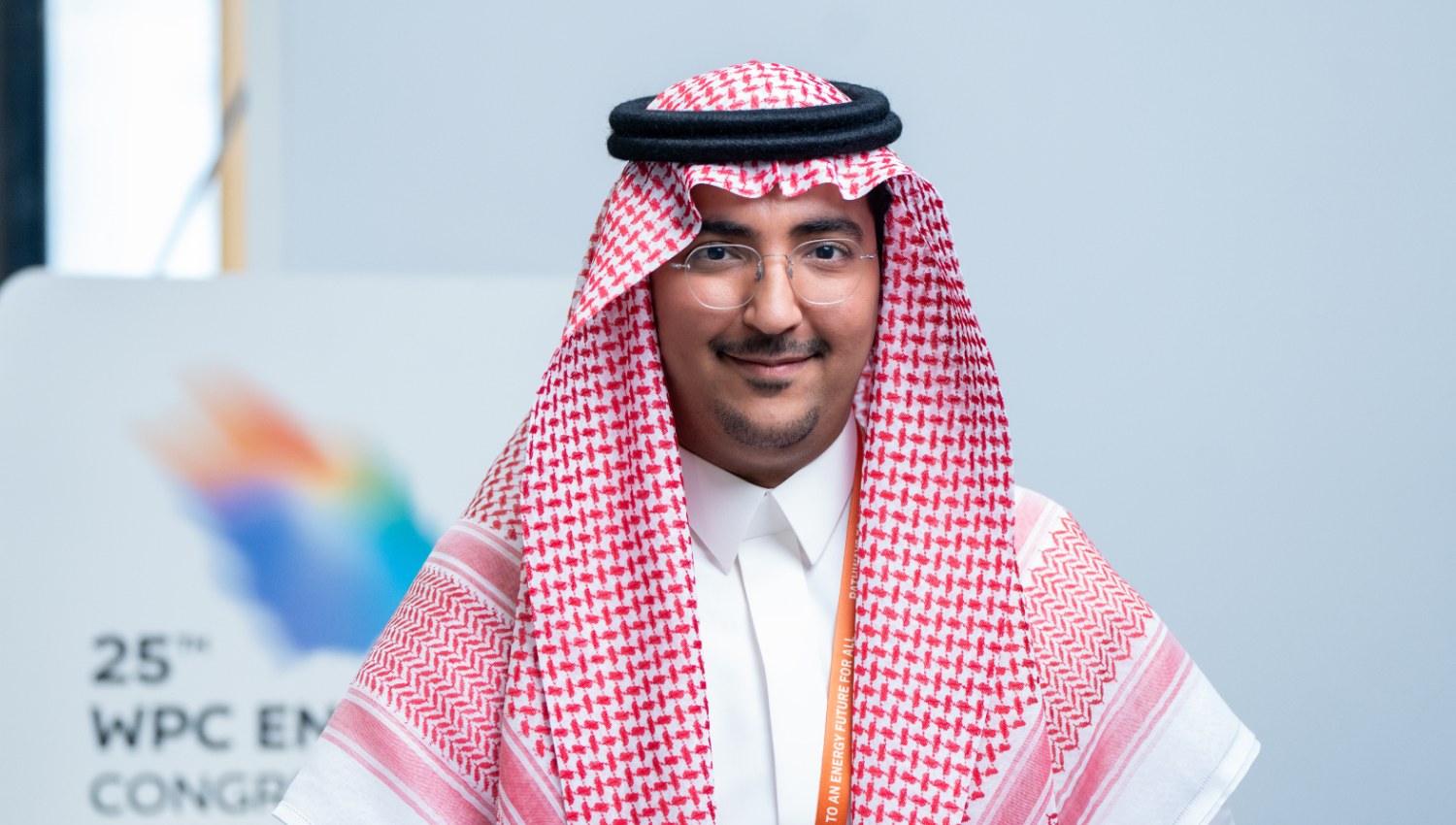

Omar Al-Hassan, chief executive of Acwa Saudi, says the bulk of the company’s 22.5GW of renewable capacity now under construction should start running during 2027 and 2028. Speaking to Arab News at the 25th WPC Energy Congress in Riyadh, he said the Kingdom’s mix of oil, gas, solar and wind gives it the base for an affordable, reliable and secure power system.
Saudi Arabia wants its electricity to come half from natural gas and half from renewables by 2030, which would reduce its use of liquid fuels while still meeting rising demand. Al-Hassan said the country is fortunate to have all four resources and uses them efficiently and at low cost. He rejected the idea that more solar and wind will push conventional fuels out. “Gas and oil will always remain there,” he said, adding that what counts is the overall mix.
Acwa’s renewables portfolio totals 30GW. Of that, 7.5GW is already in operation and the remaining 22.5GW is being built. Al-Hassan singled out the NEOM Green Hydrogen Project, which he called the largest green hydrogen project in the world. He said it is about 96 to 97 per cent complete, with first shipments of green ammonia expected in 2027. The plant uses solar and wind power to run electrolysers that make hydrogen, which is then turned into ammonia for export, and it is designed to produce up to 1.2 million tonnes of green ammonia a year. Al-Hassan called the scheme unprecedented and said its scale was hard to put into words.
Storage is becoming more important as renewable output grows. Al-Hassan pointed to three battery storage projects that Acwa won recently and said they would make the grid more reliable and give operators more flexibility once complete. He also cited the Red Sea development, where a combined solar and battery system supplies airports, resorts and essential services such as water desalination and wastewater treatment.
On staffing, Al-Hassan said Saudi nationals make up about 70 per cent of the workforce at the company’s power plants. Acwa backs the Energy and Water Academy in Rabigh, which has trained more than 70,000 professionals through 20 specialised programmes in renewable energy, green hydrogen, desalination and water treatment. The academy now takes in more than 2,000 trainees a year to help run and maintain the Kingdom’s energy and water infrastructure.